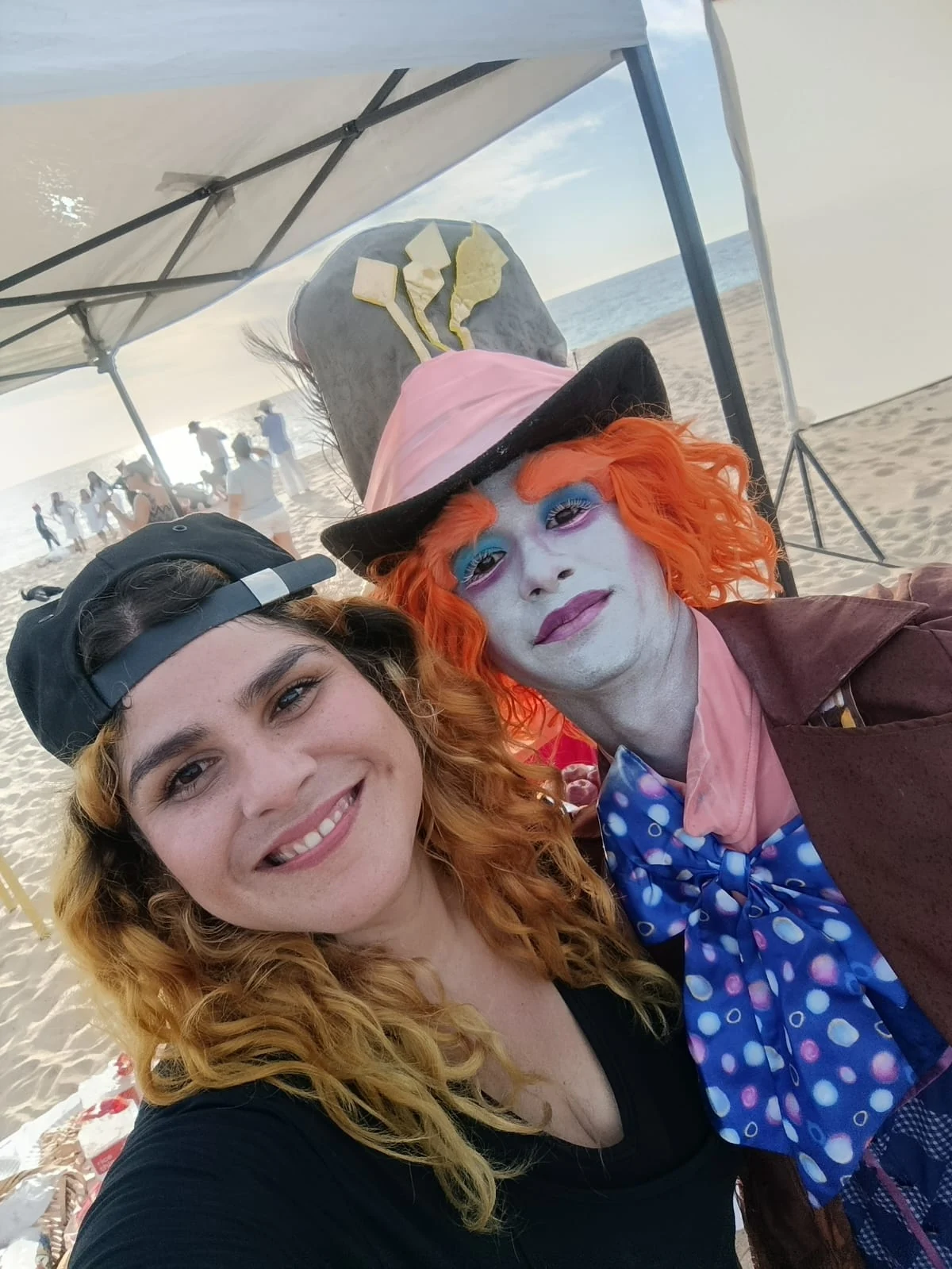
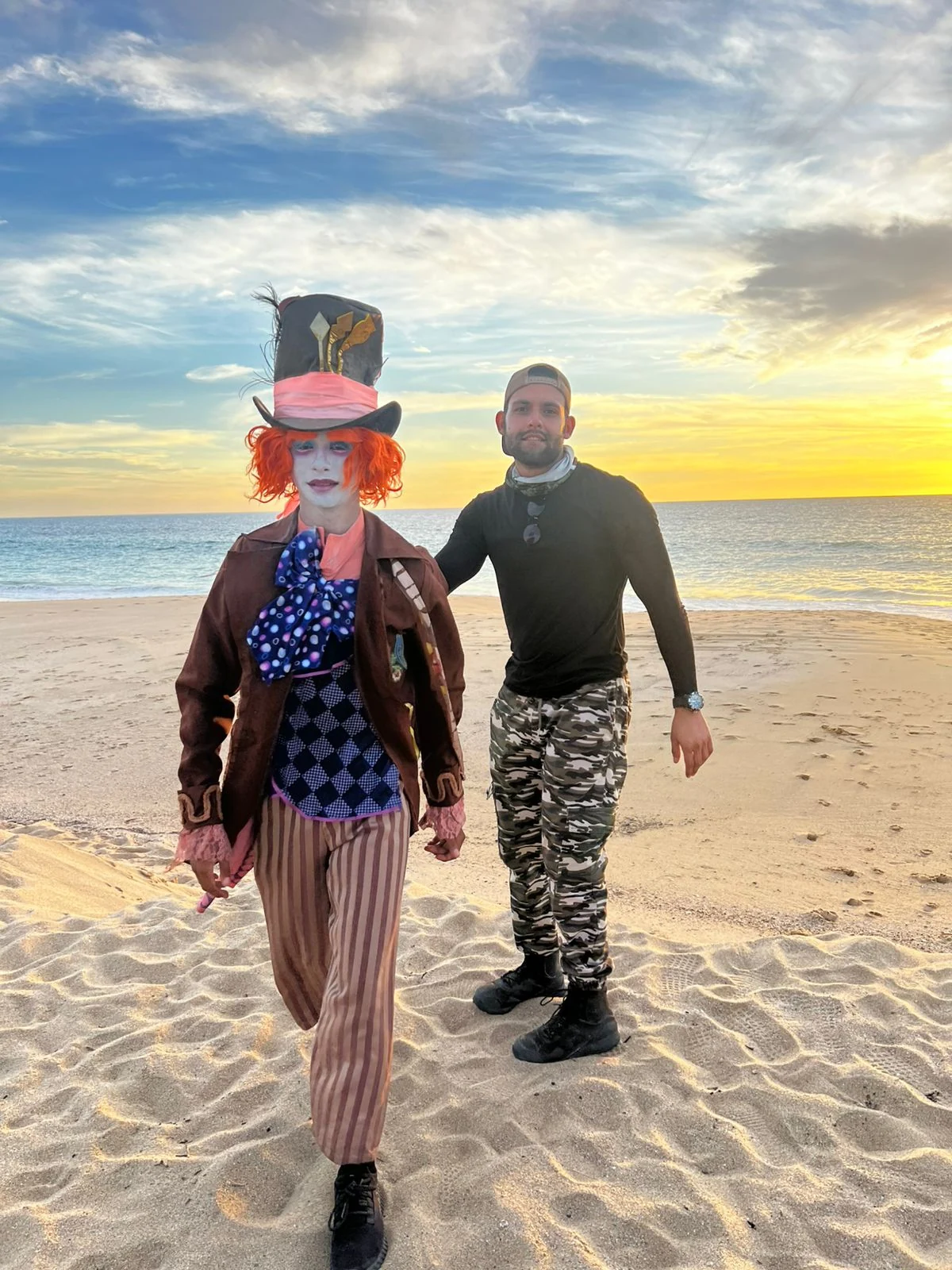
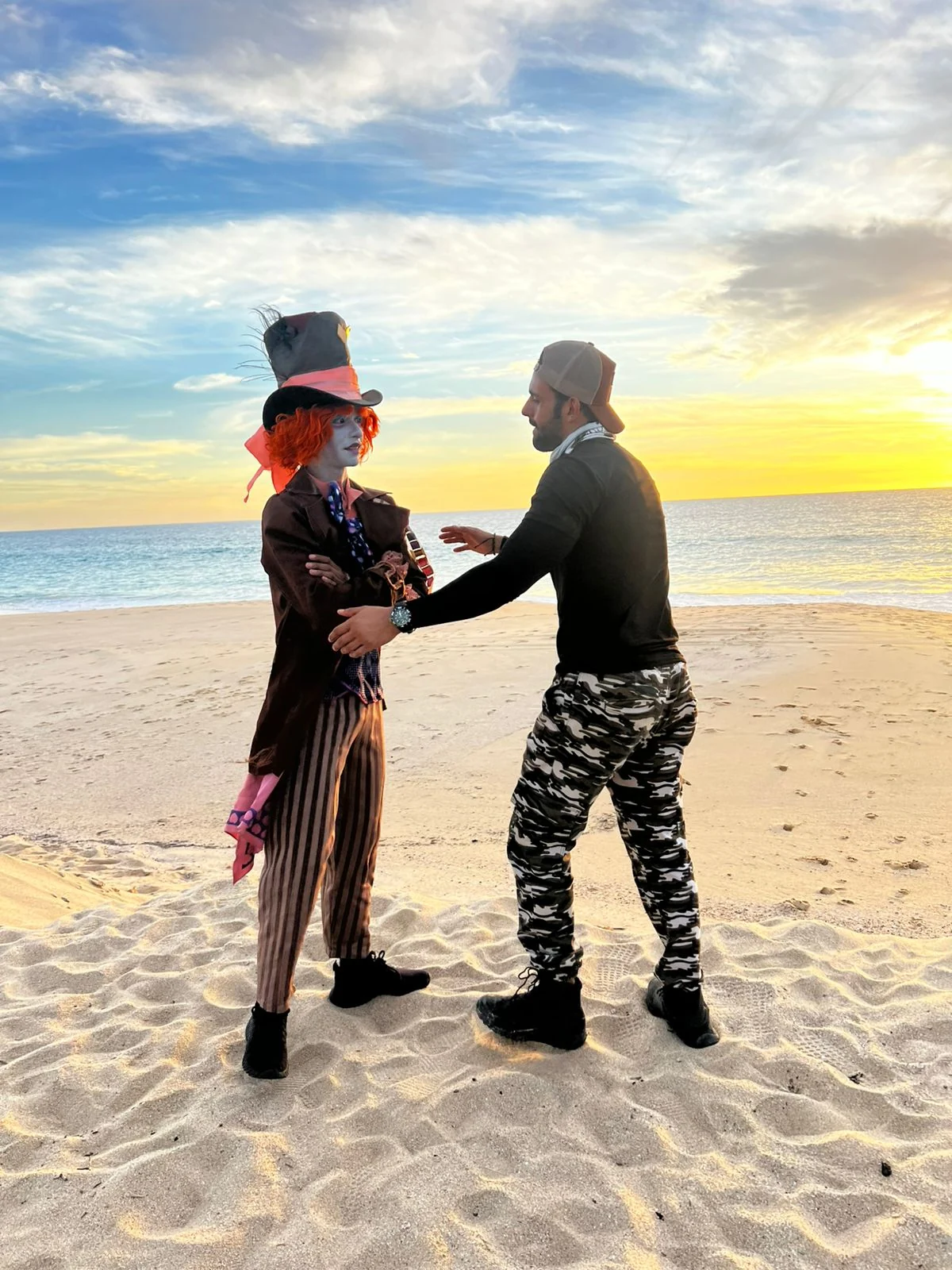
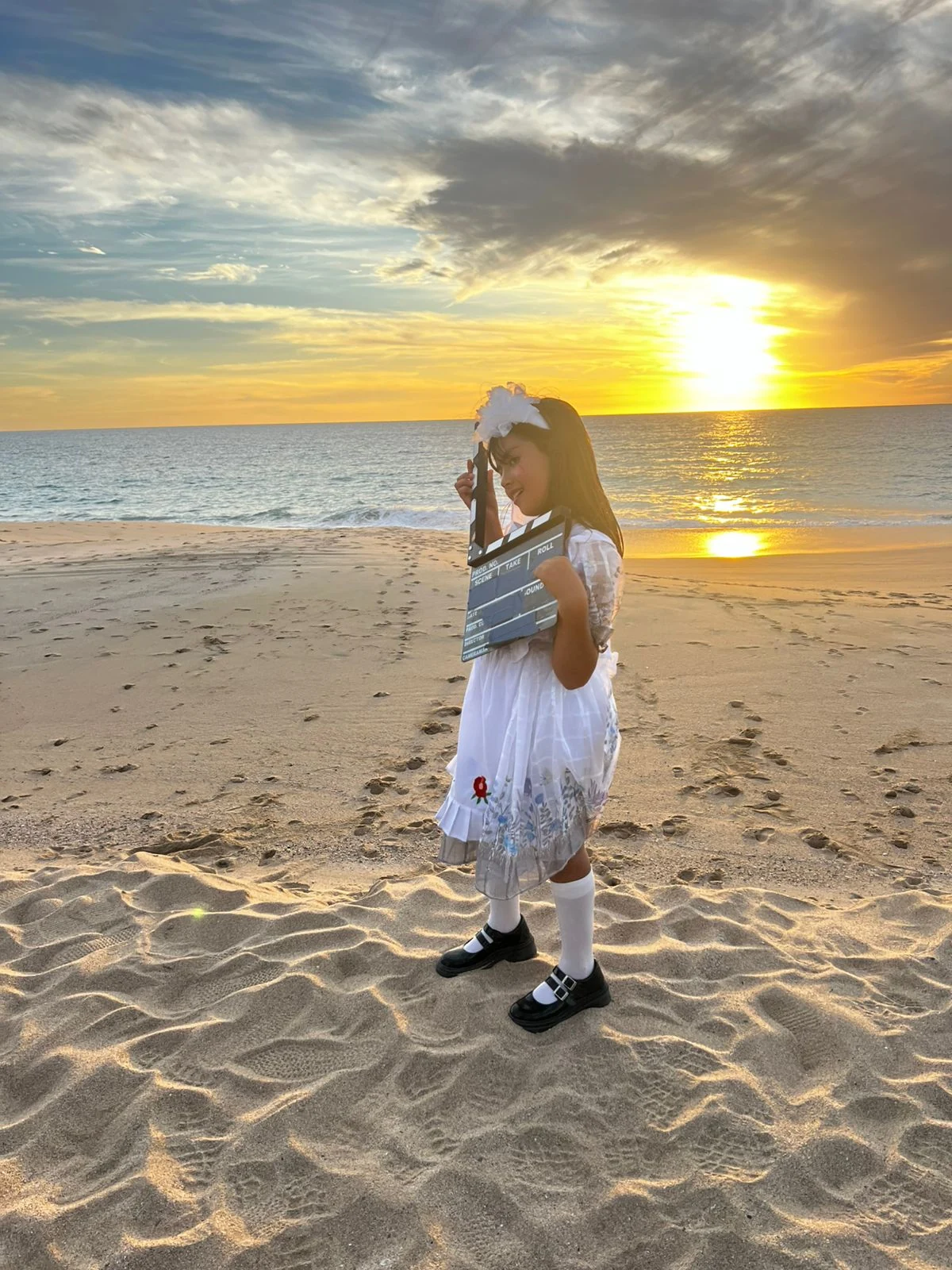
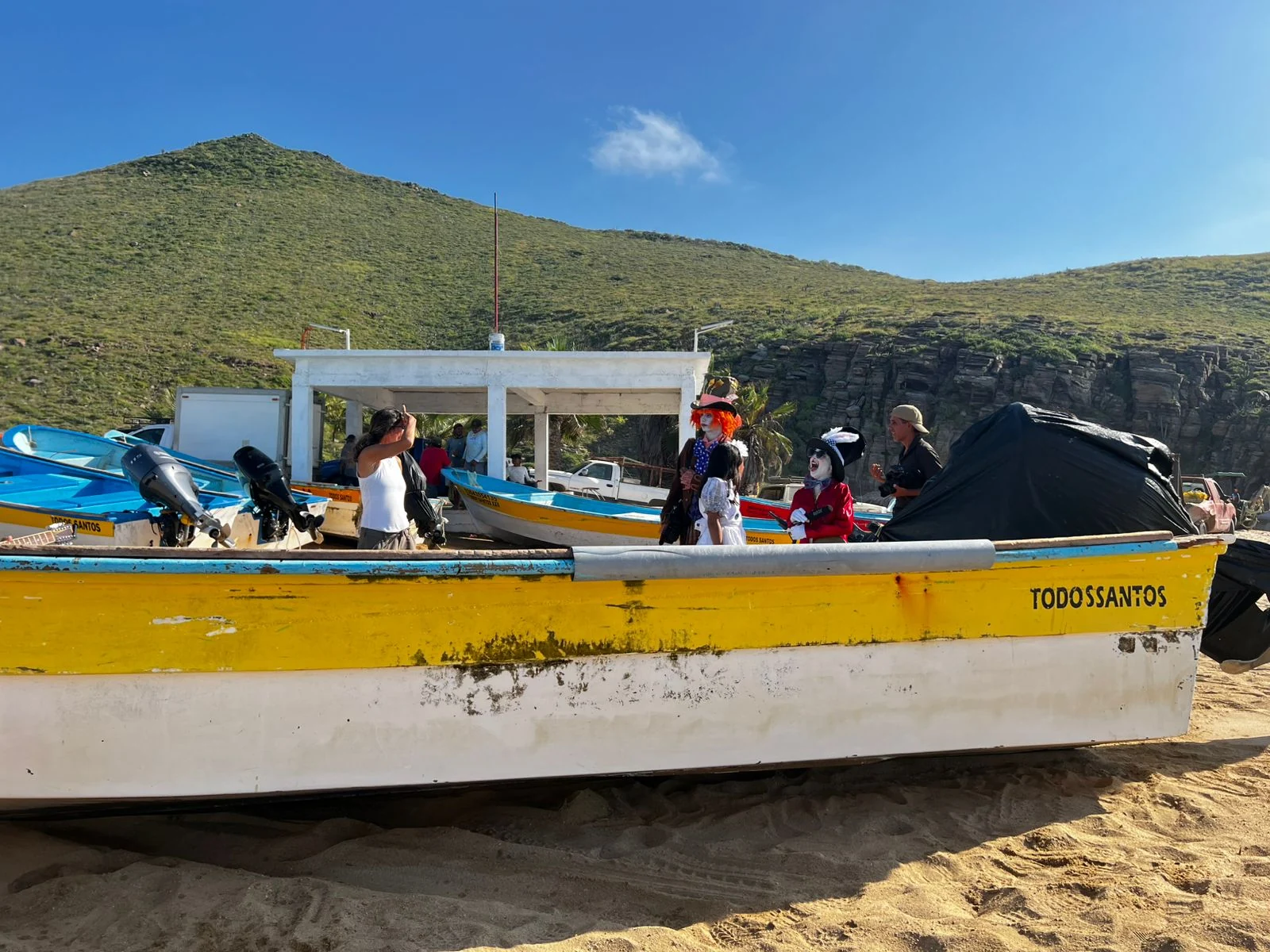
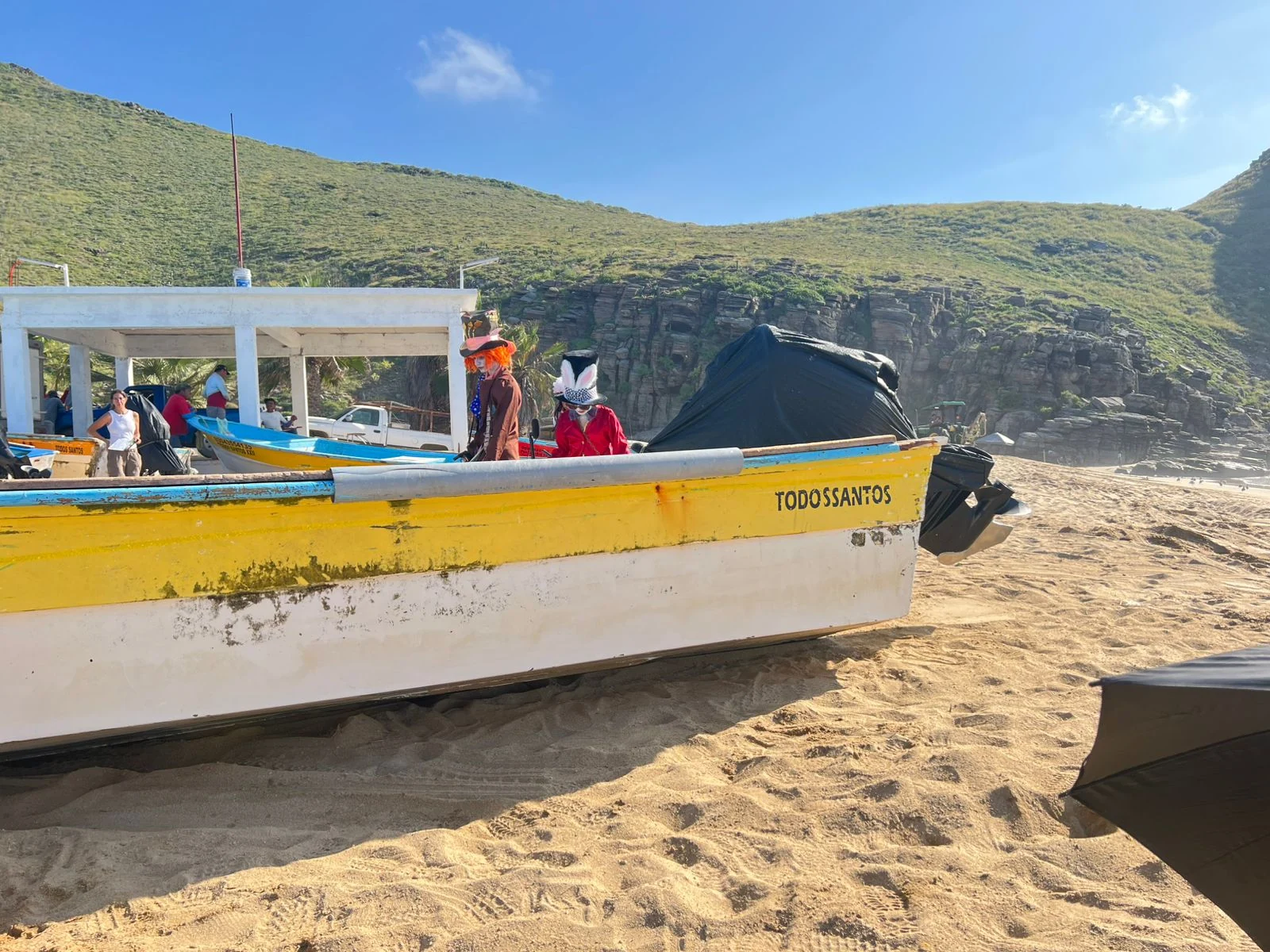
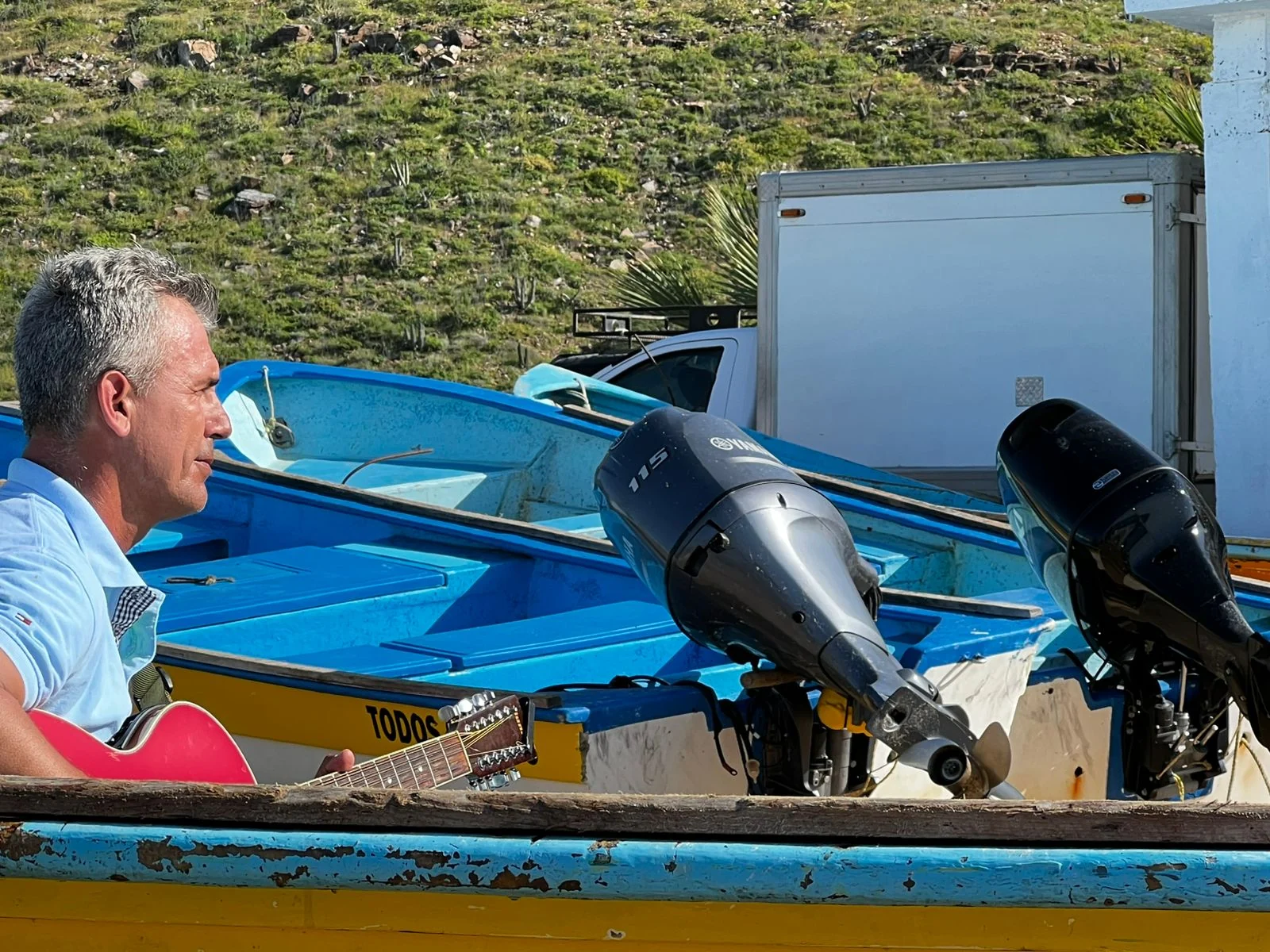
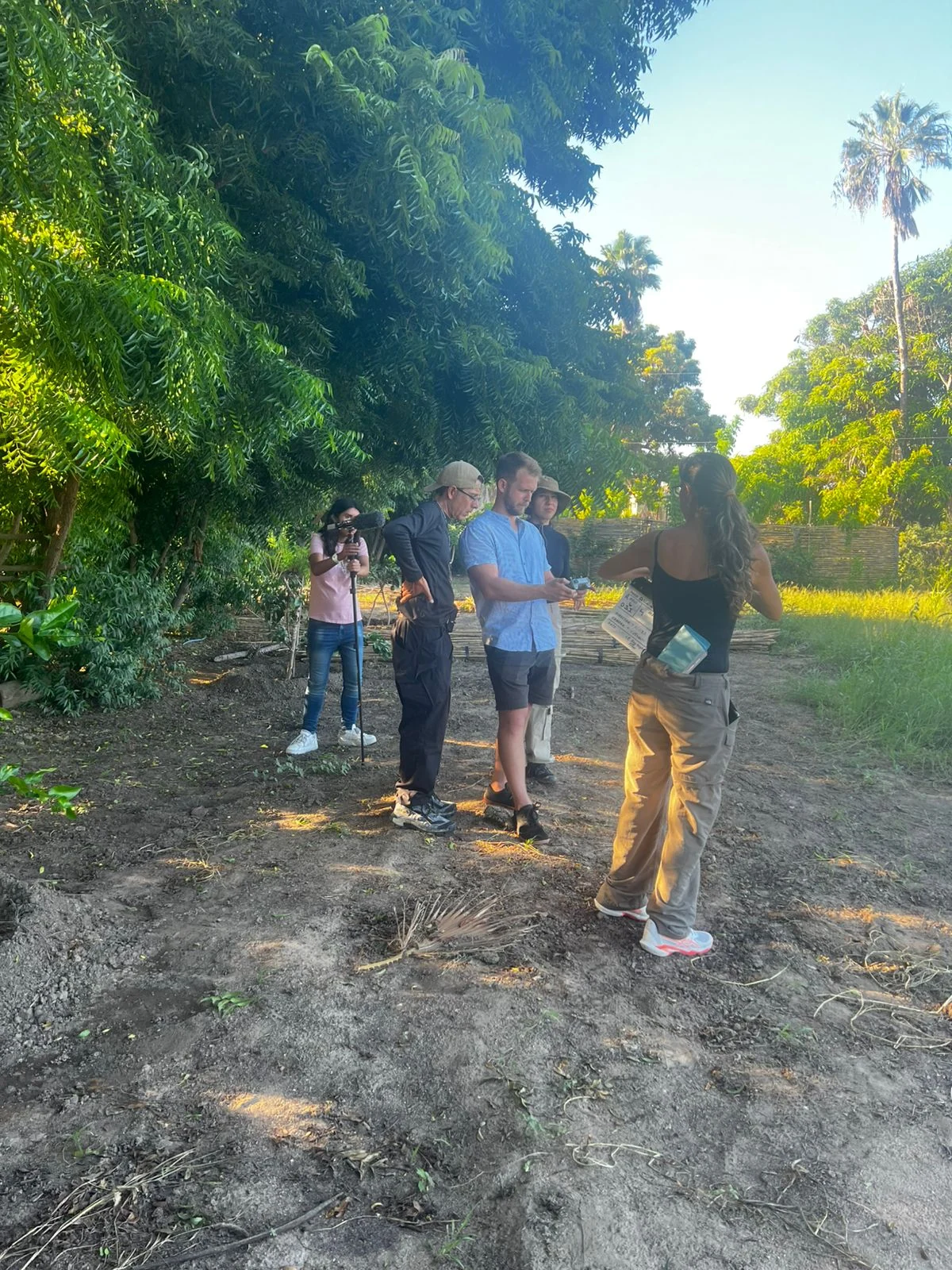
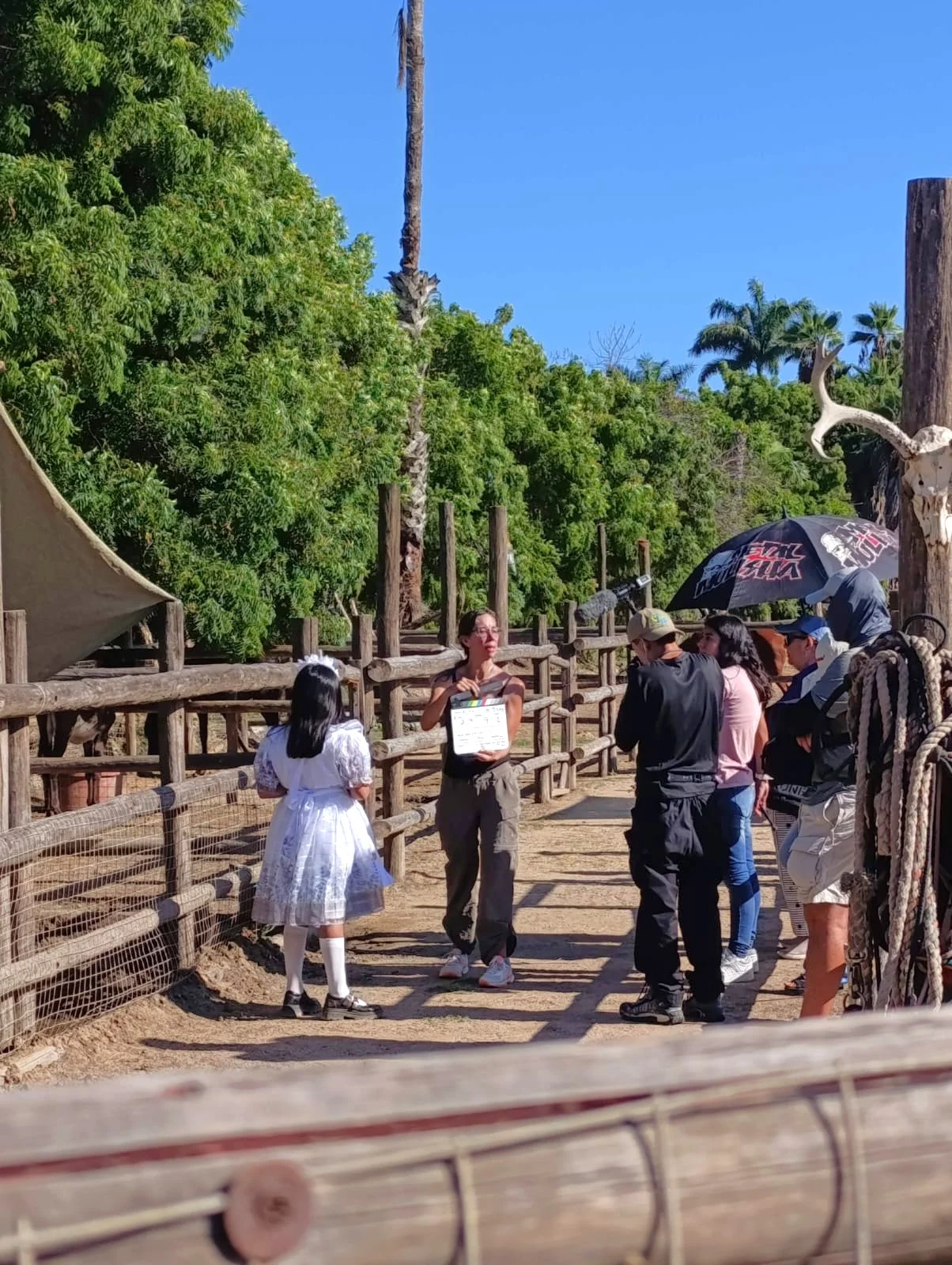
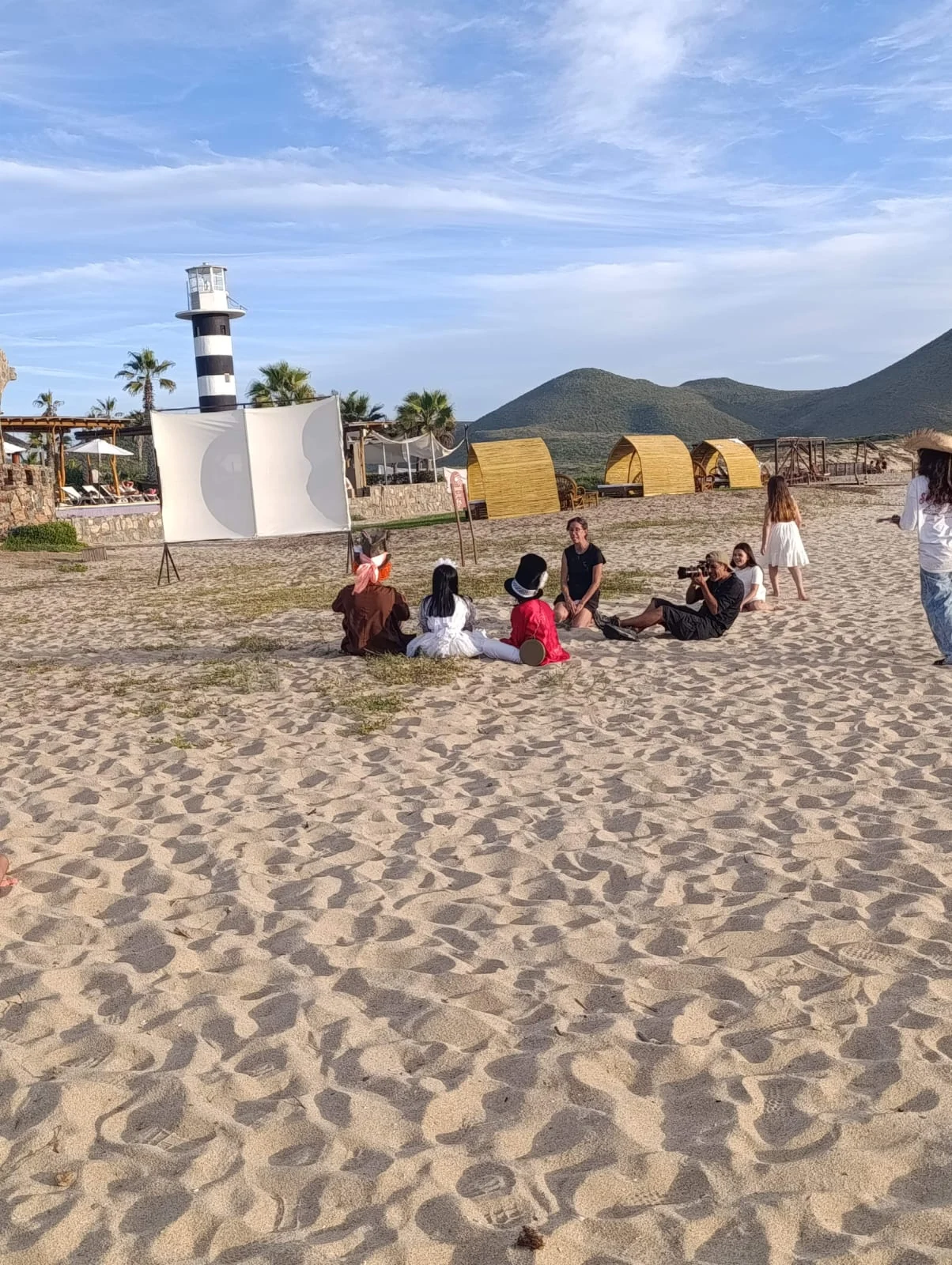
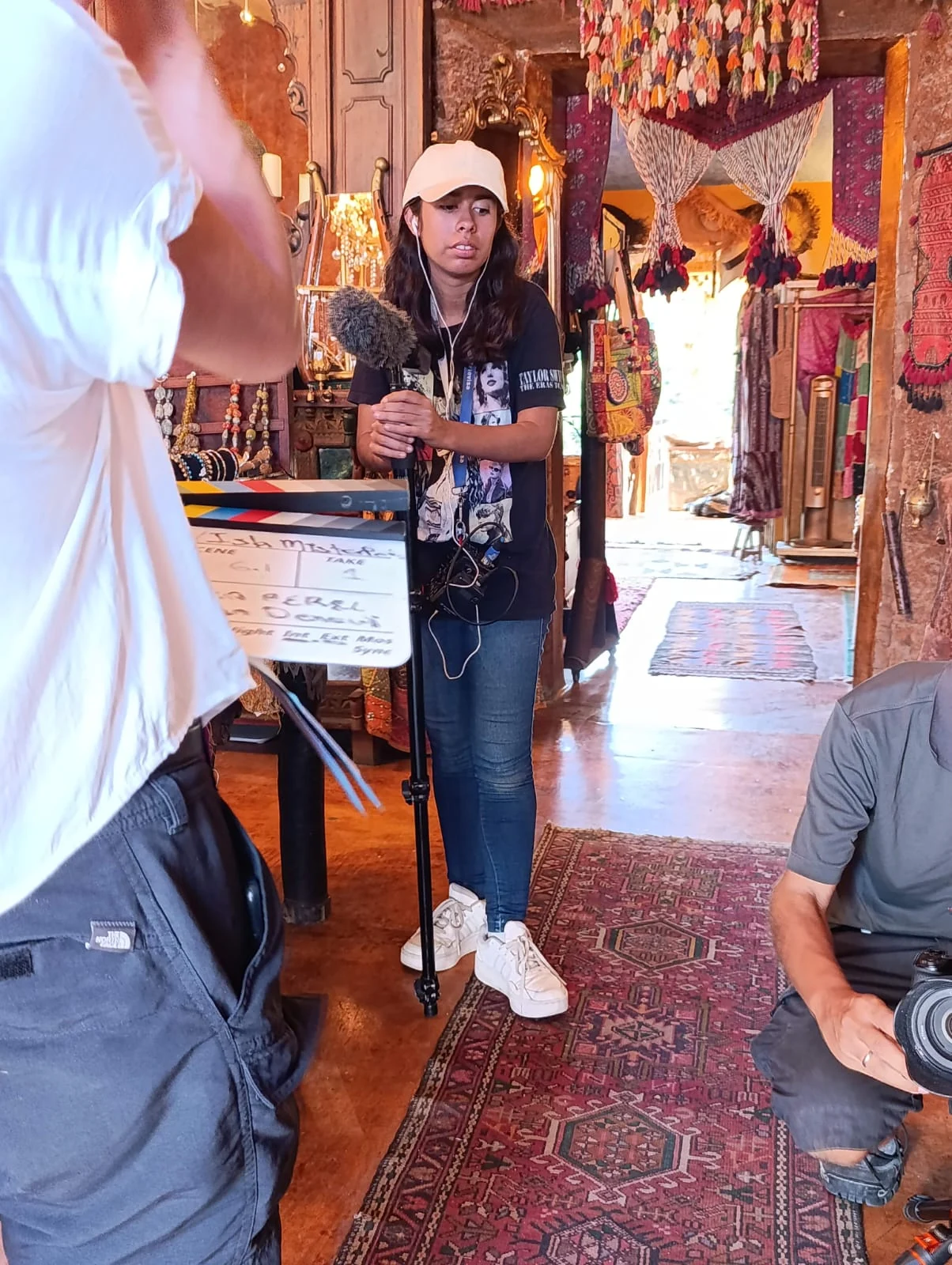
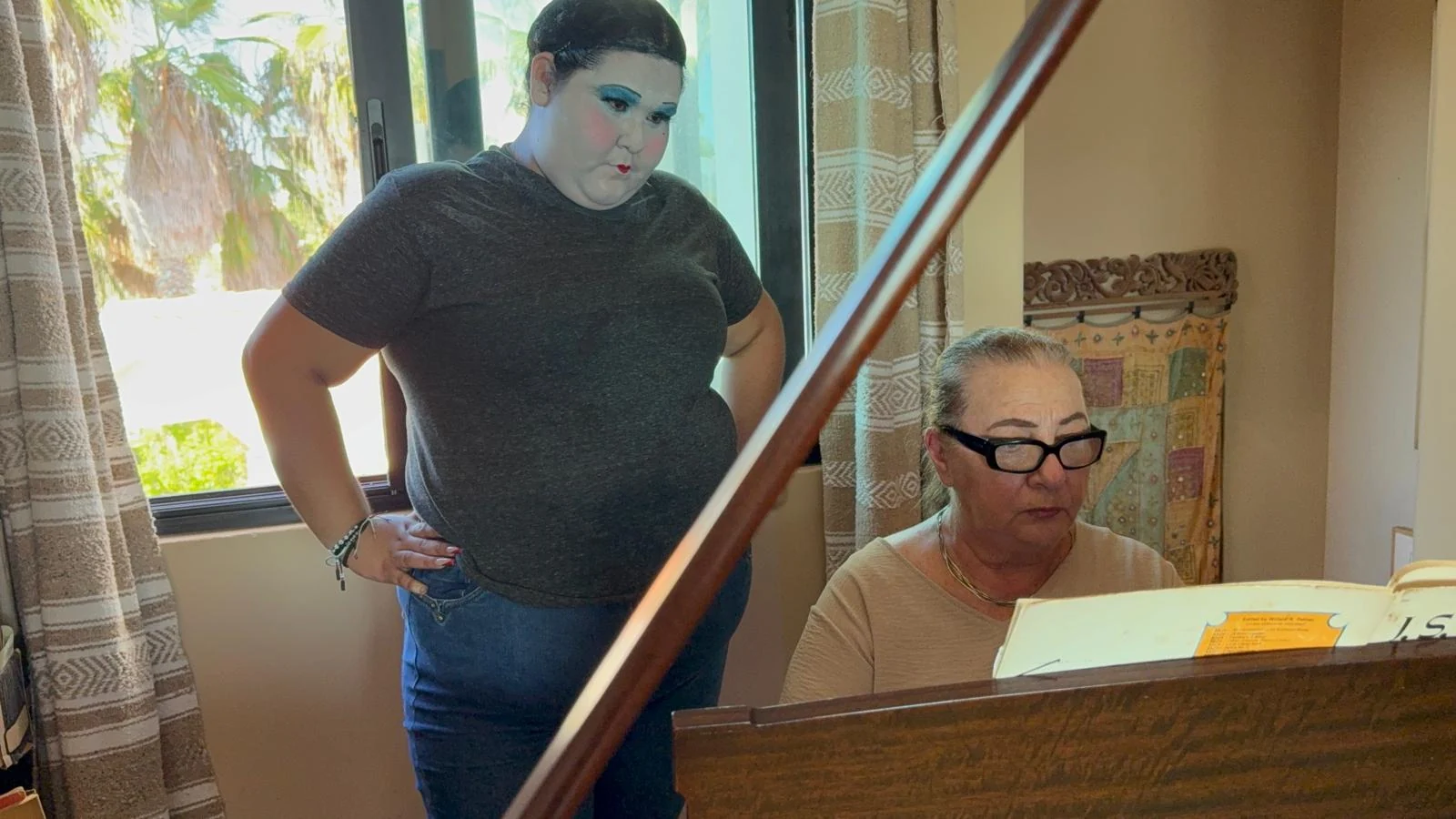
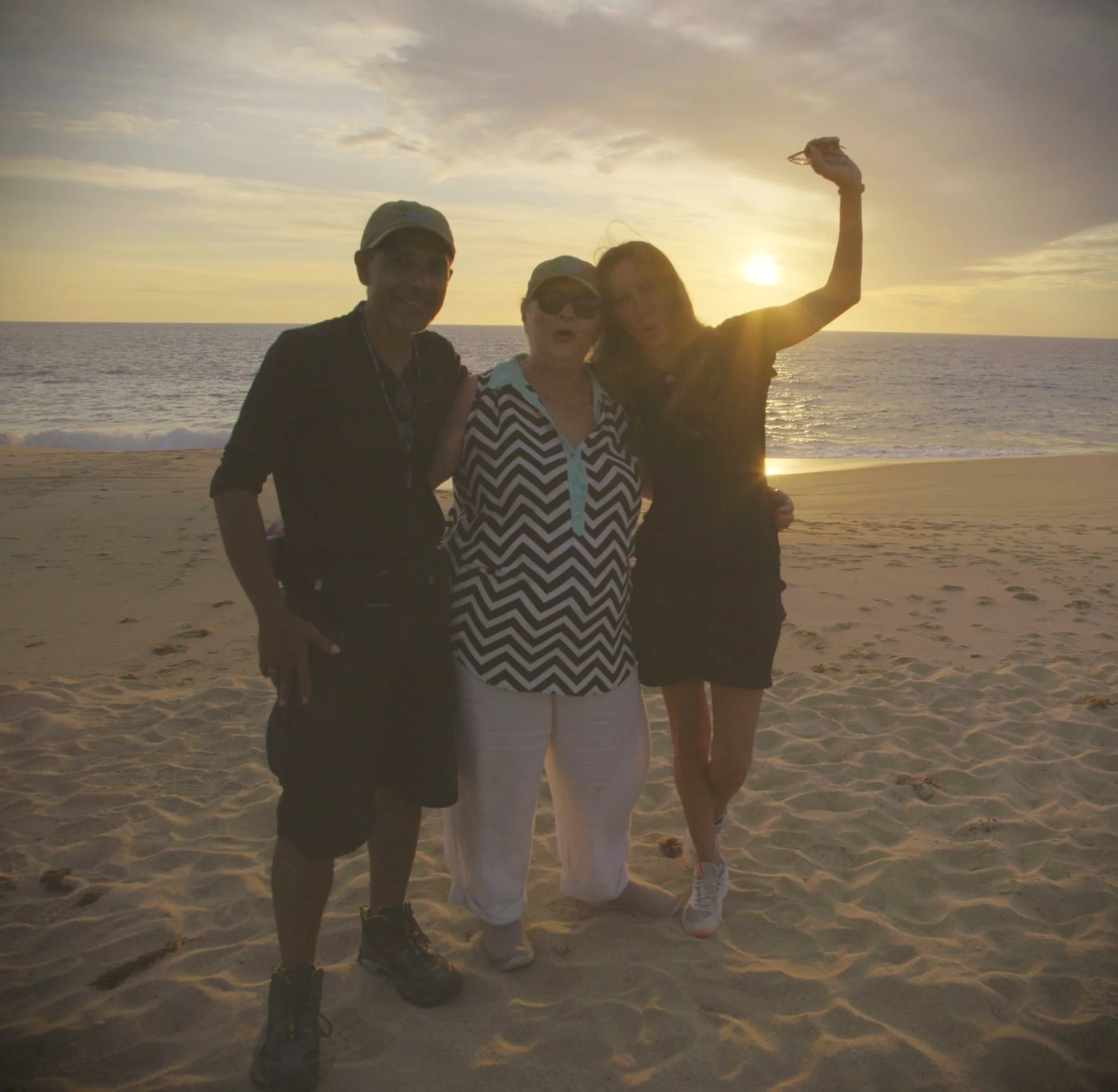
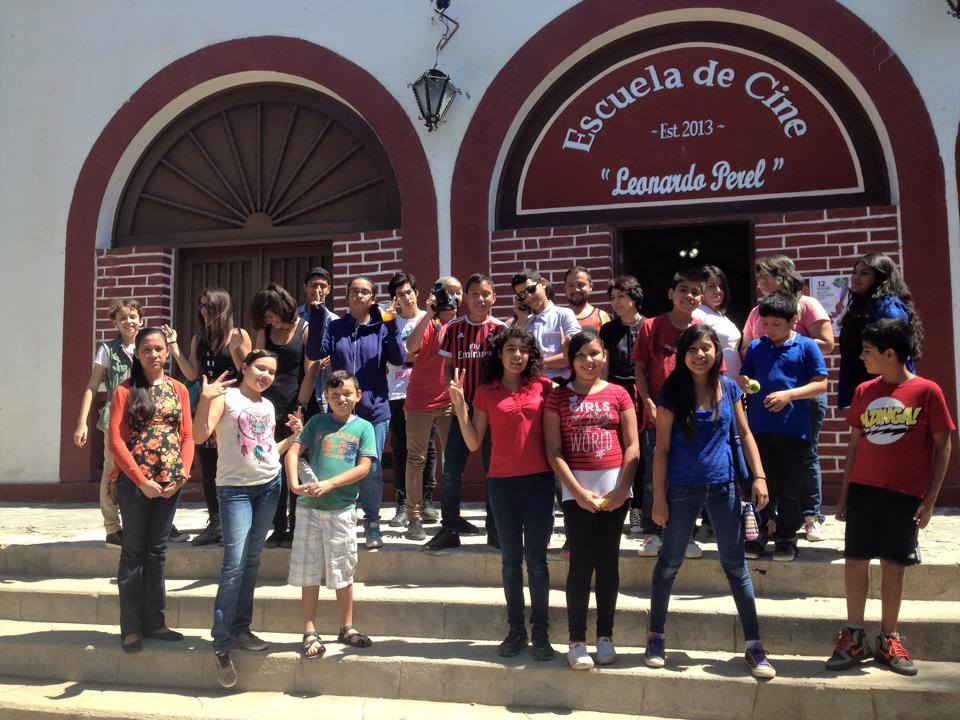
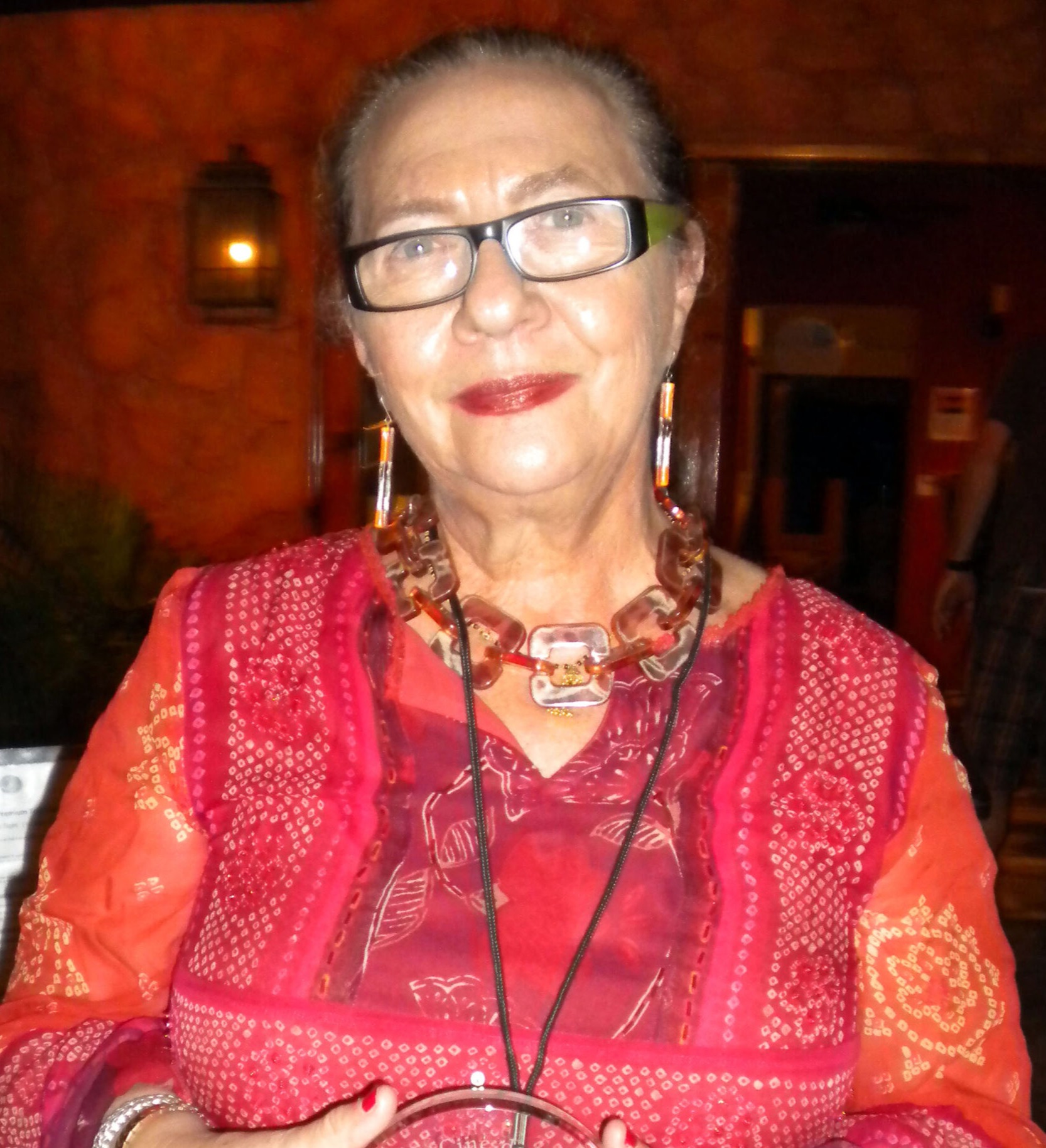
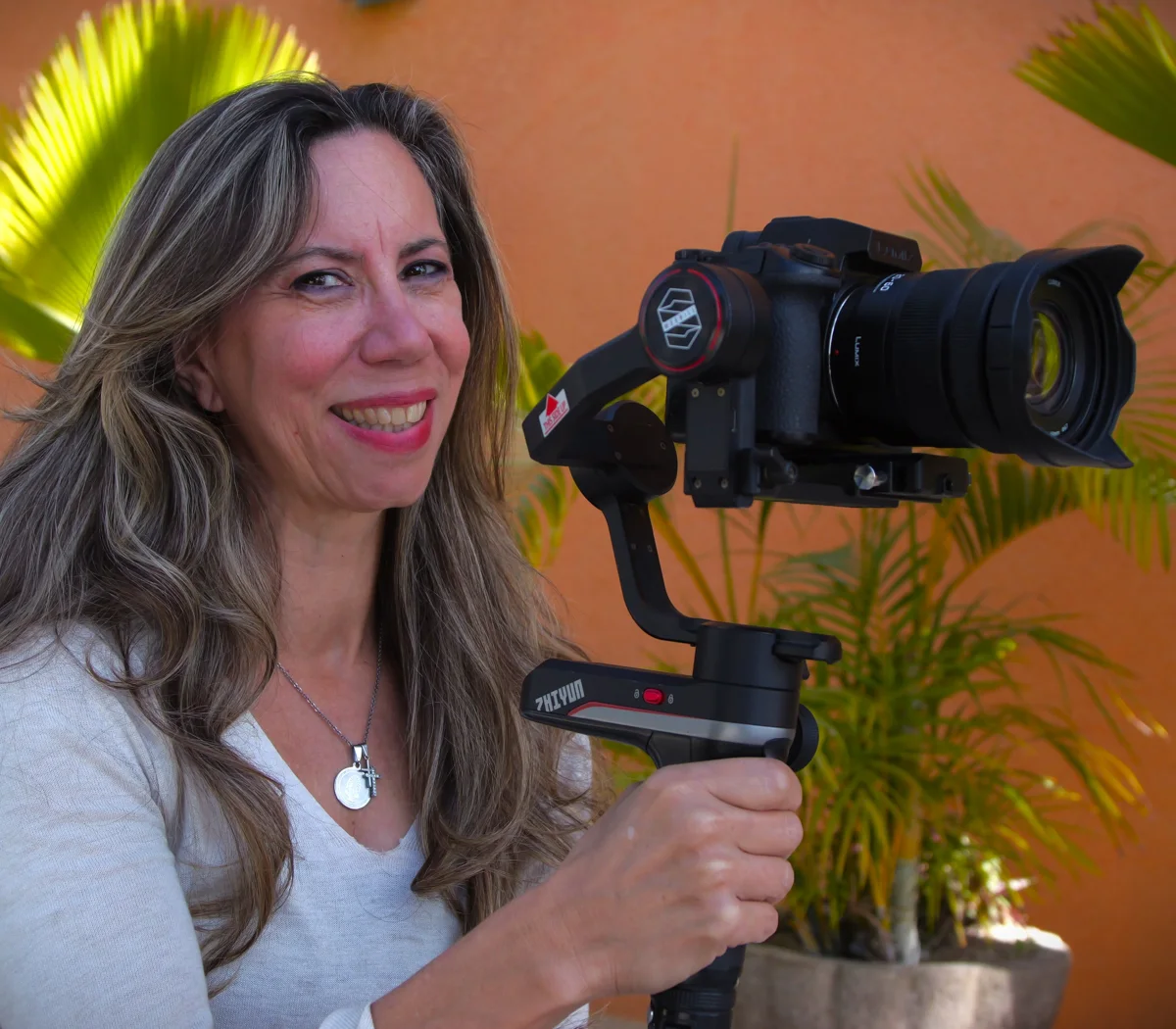
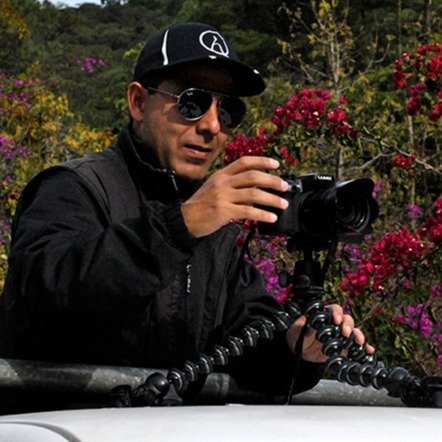
The Leonardo Perel Film School follows a learning-by-doing approach. Founded by Leonardo Perel in 2006, it has worked with children and young people in Todos Santos ever since. Its productions and workshops have been supported by professionals who inspire these young talents to develop their creativity and knowledge. Some have gone on to study abroad in countries such as France. Following the death of its founder, Leonardo Perel, in 2012, Sylvia Perel took on the task of continuing its activities with local children and teenagers, guided by his vision and educational values, preserving his valuable legacy for our Todos Santos community.
In-person sessions at the Teatro y Cine General Manuel Márquez de León in Todos Santos, plus live sessions on Zoom. Times are shown in Baja California Sur local time (UTC−7).
LIVE ON ZOOM
The Aesthetic Approach to Sound in Film
Christian Zubieta
Online via Zoom.
A journey through the sound world of a film, from recording on set to the final mix. This class explores how to develop an aesthetic approach to sound, how it interacts with the image, and the narrative possibilities of the world beyond the frame.
By examining a scene layer by layer, participants will explore the voices, atmospheres, effects and music that shape its sound identity. The session connects technical and creative decisions, follows the transition from location recording to sound design and mixing, and includes live questions with the instructor.
Post-production Between Vertical Content and Streaming Platforms
Diego Yhamá
Online via Zoom.
A conversation about the growing influence of vertical content on cinematic language and post-production decisions. Through examples, the class examines how images change across screens and viewing habits, and how short-form content relates to cinema and streaming platforms.
The session reflects on post-production across multiple formats, considering framing, visual rhythm, continuity and image identity. It offers an opportunity to rethink workflows while preserving the narrative intent of each project.
Colorimetry and Quality Safeguards for Audiovisual Production
Marcelo Rondinone
Online via Zoom.
An introduction to color science and the decisions that safeguard image quality according to a production’s intended destination. The class reviews manufacturers’ developments, underlying challenges and working models, as well as operating procedures and requirements that should be anticipated on set.
Topics include implementing ACES and other production systems, common workflows, and the adjustments required by streaming and television distributors. Examples drawn from RED and Sony VENICE 2, among other cameras and formats, connect image capture with final delivery.
An overview of the possibilities artificial intelligence opens up for filmmaking and audiovisual production. The session distinguishes tasks these tools can streamline from decisions that call for narrative intent, visual judgment and artistic sensitivity.
The class explores the relationship between AI, visual effects and post-production, focusing on quality control, workflow integration and the rapid evolution of the tools. It also invites discussion of authorship, responsible use of images and voices, and the role of film professionals in this changing landscape.
Venue: Teatro y Cine General Manuel Márquez de León · Todos Santos.
A masterclass on what copyright means, why creative work should be protected, and the distinction between moral and economic rights. It addresses common questions about protected works and elements outside that protection, using examples involving books, scripts and logos.
The session discusses routes for protecting and registering work in Mexico and Baja California Sur, the documentation and fees to check, and possible actions and evidence when plagiarism is suspected. It also opens a conversation about creations involving artificial intelligence, with a participatory exercise and audience questions.
Astrophotography: Creating Images of the Night Sky
Hugo Álvarez Zanollo
Venue: Teatro y Cine General Manuel Márquez de León · Todos Santos.
An introduction to astrophotography through an author’s perspective and the relationship between Baja California Sur’s landscapes and night skies. The session considers how darkness, stars and the surrounding terrain can become an image with expressive intent.
Topics include general approaches to planning a night photograph, choosing a composition and understanding capture decisions such as equipment, focus and exposure. Drawing on the photographer’s work, the class explores image selection and the development of a personal vision, with time for questions.
From Character to Screen: The Craft of Film Acting
Damián Alcázar · With Ariel Broitman
Online via Zoom.
A cinematic conversation with Damián Alcázar, led by Argentine director Ariel Broitman, about the decisions that bring a character to life. Drawing on La ley de Herodes, El infierno and El crimen del padre Amaro, they will explore physical and emotional preparation, character transformation, subtext, listening and restraint.
The conversation connects the actor’s work with directing, camera, editing and genre. Beyond a career interview, it offers a close look at the craft through concrete examples of scene construction, directorial guidance and performance techniques, with audience participation.
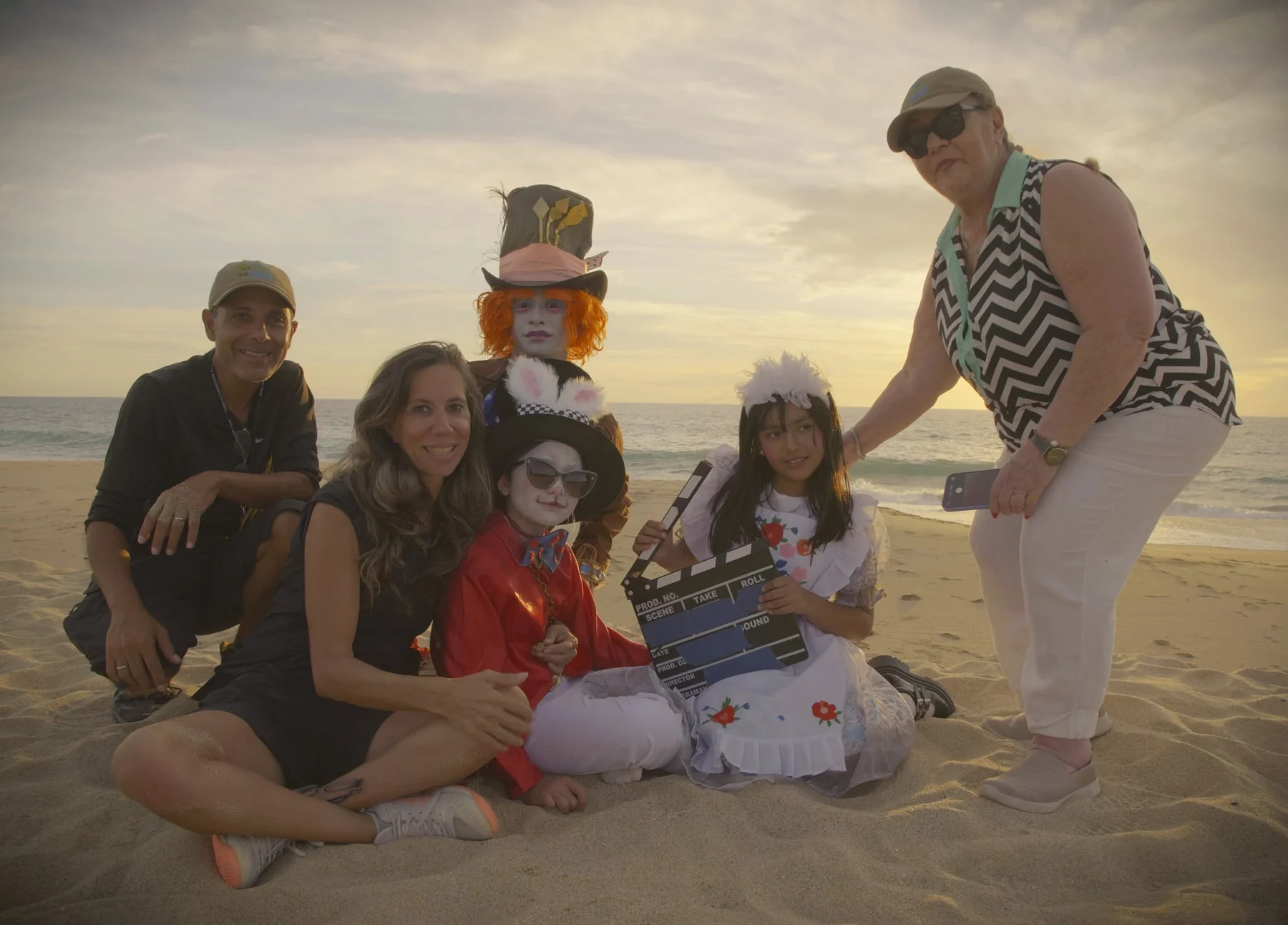
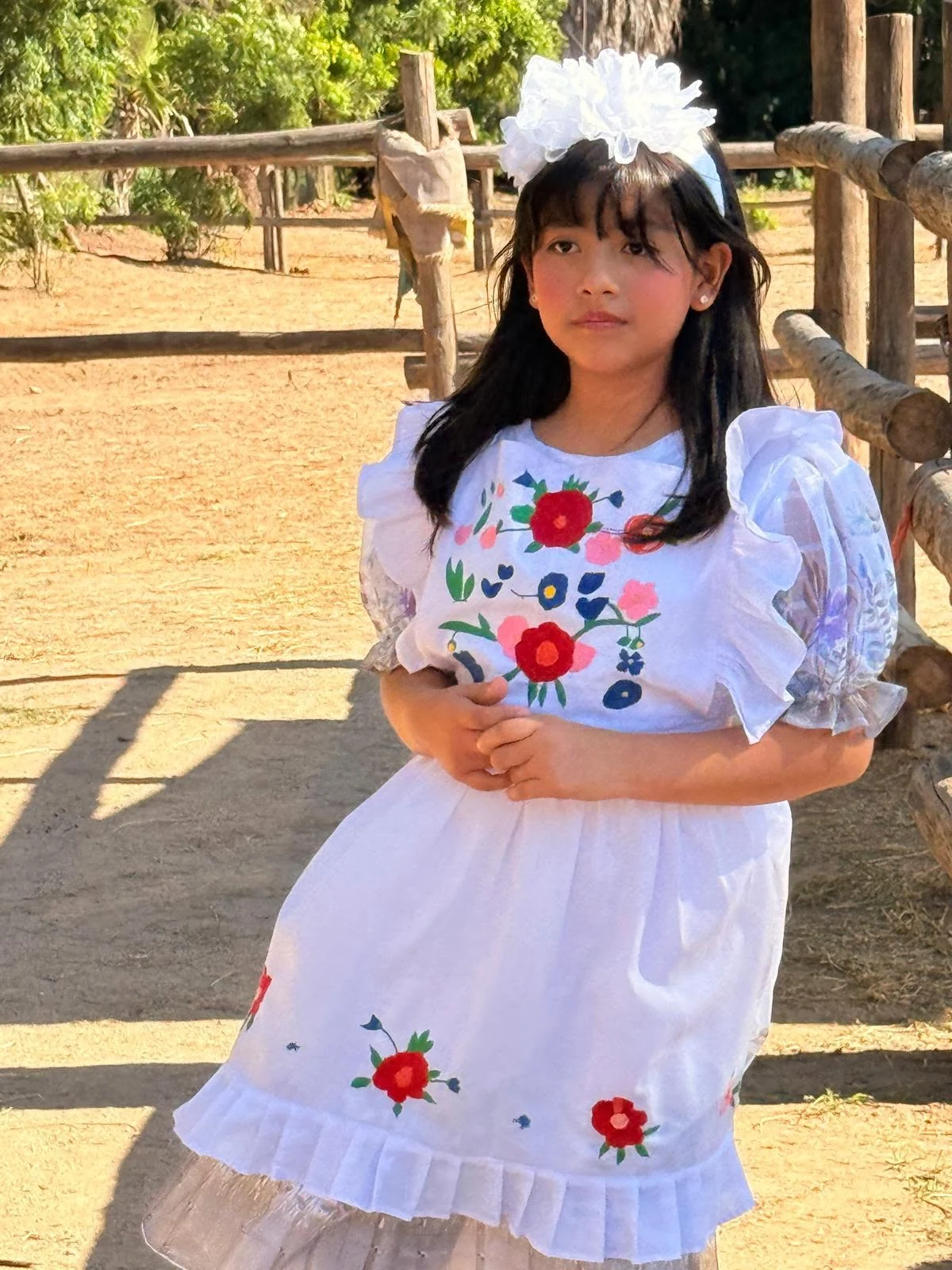
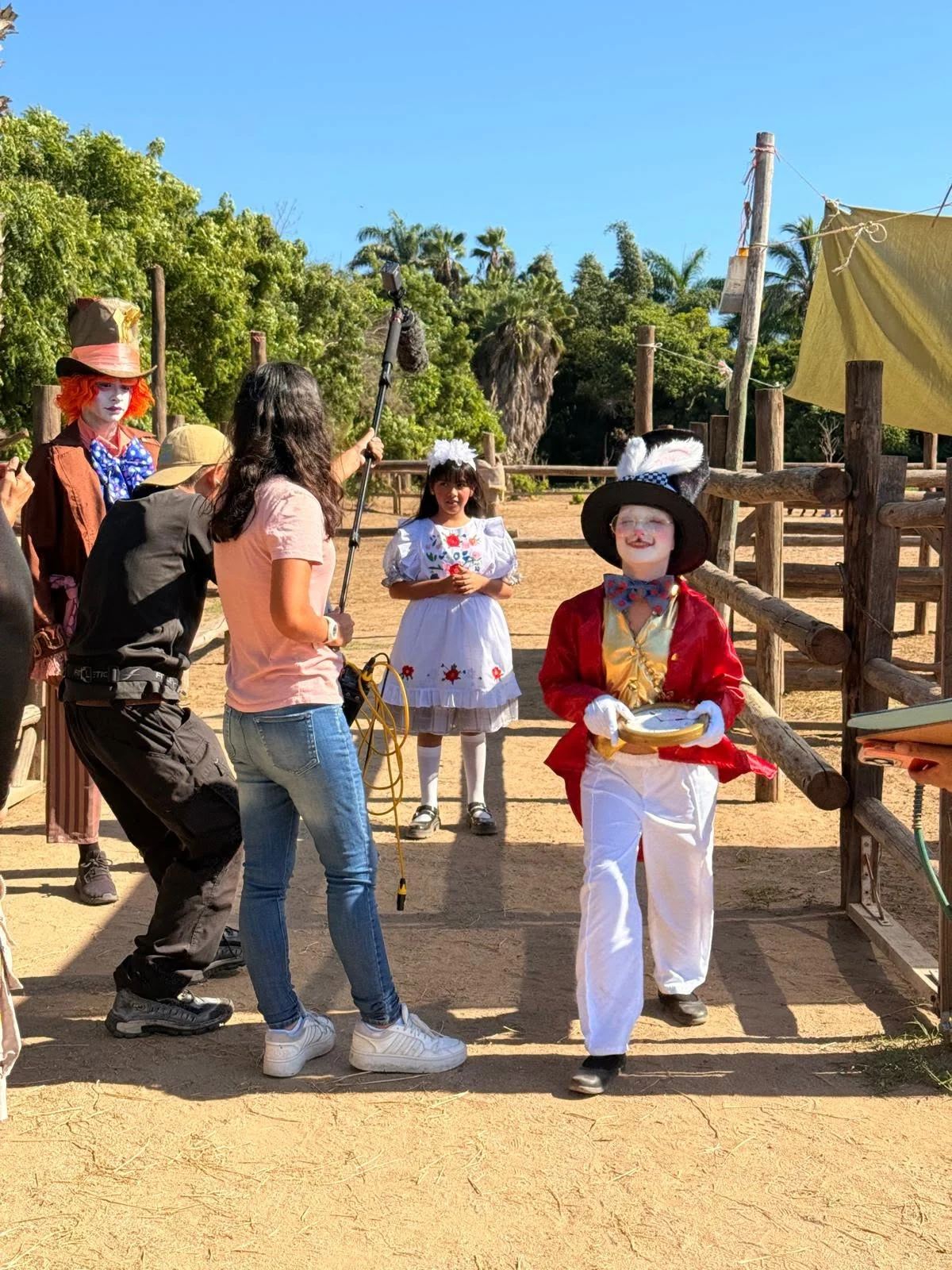
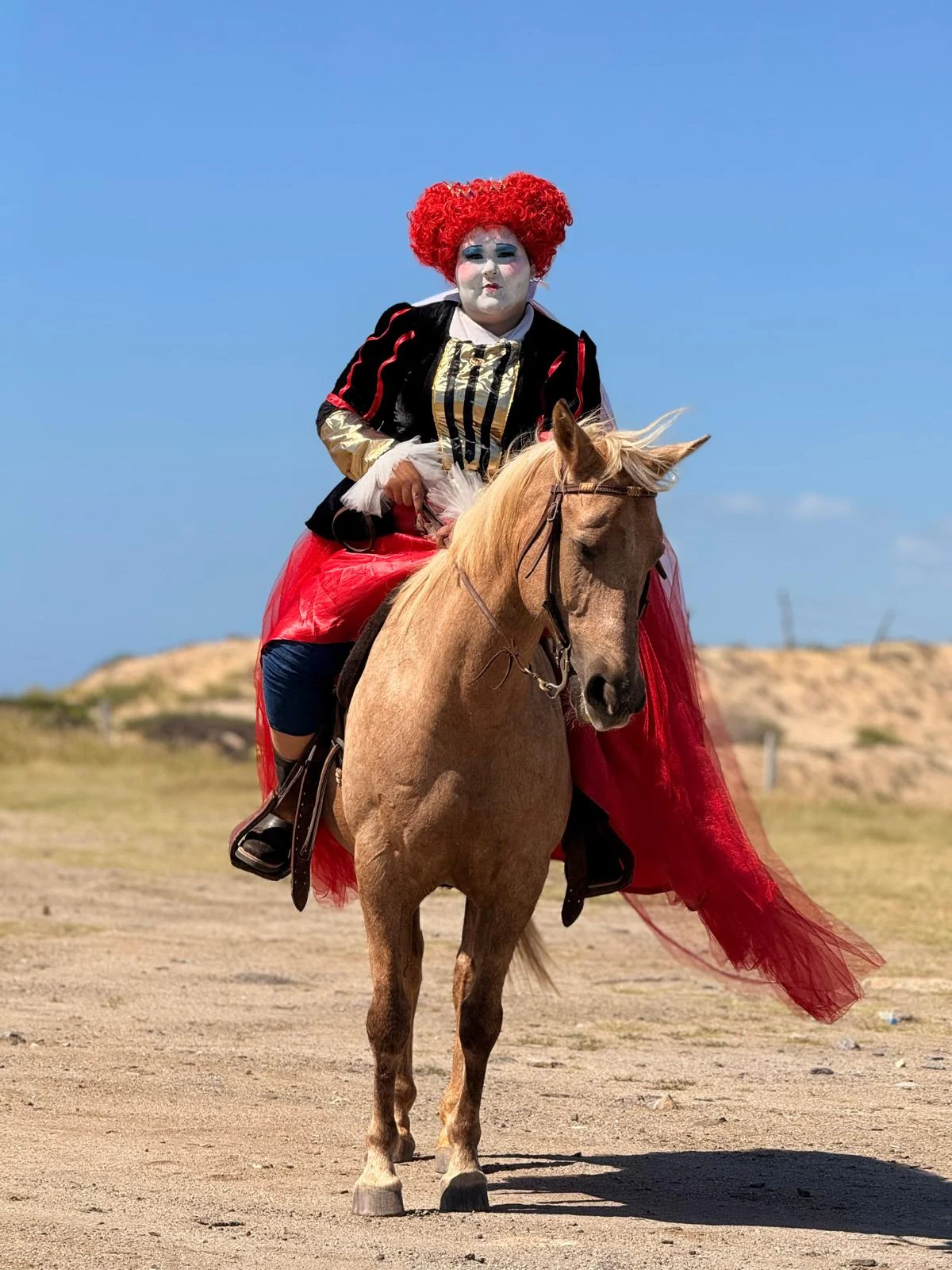
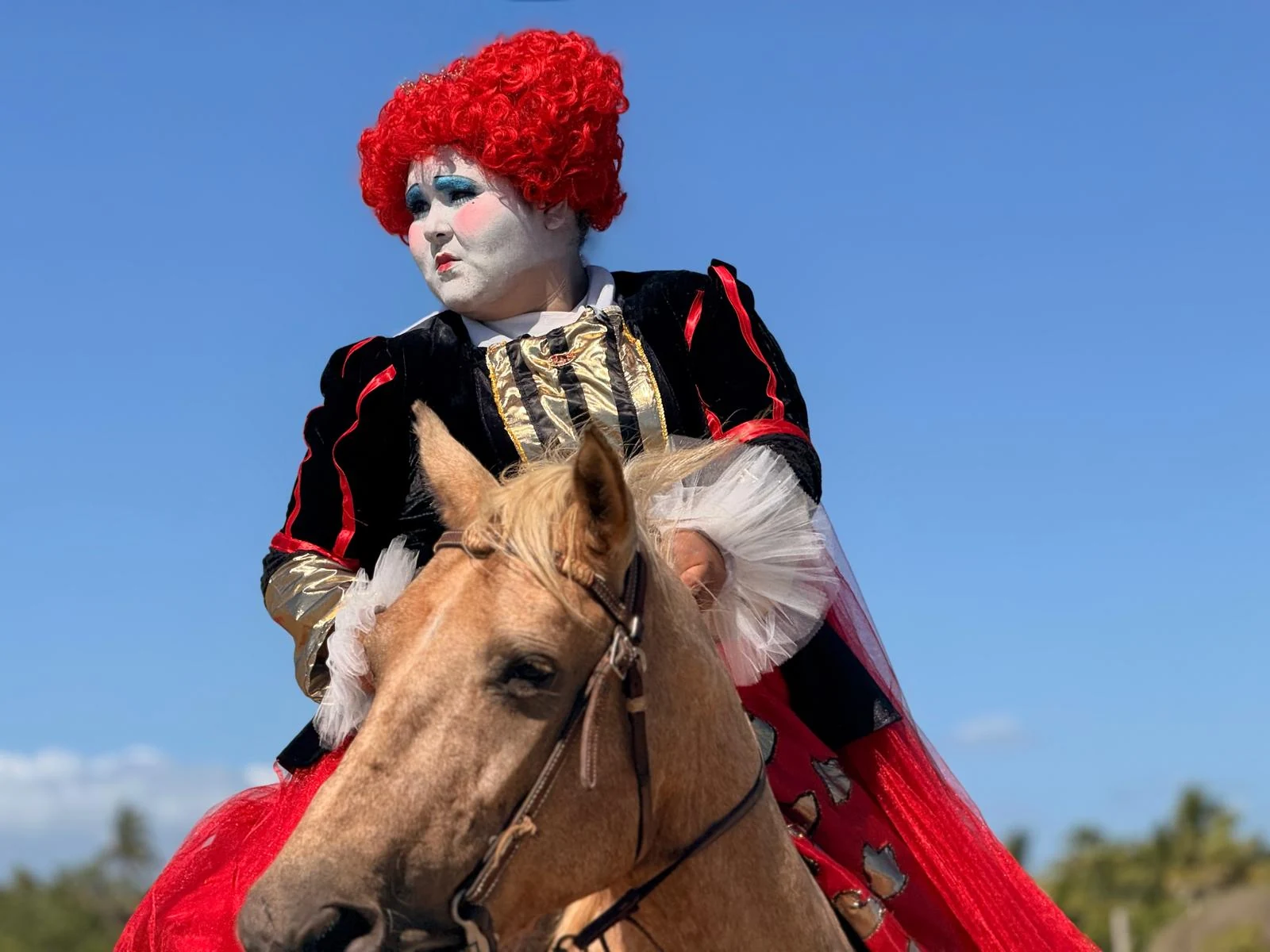
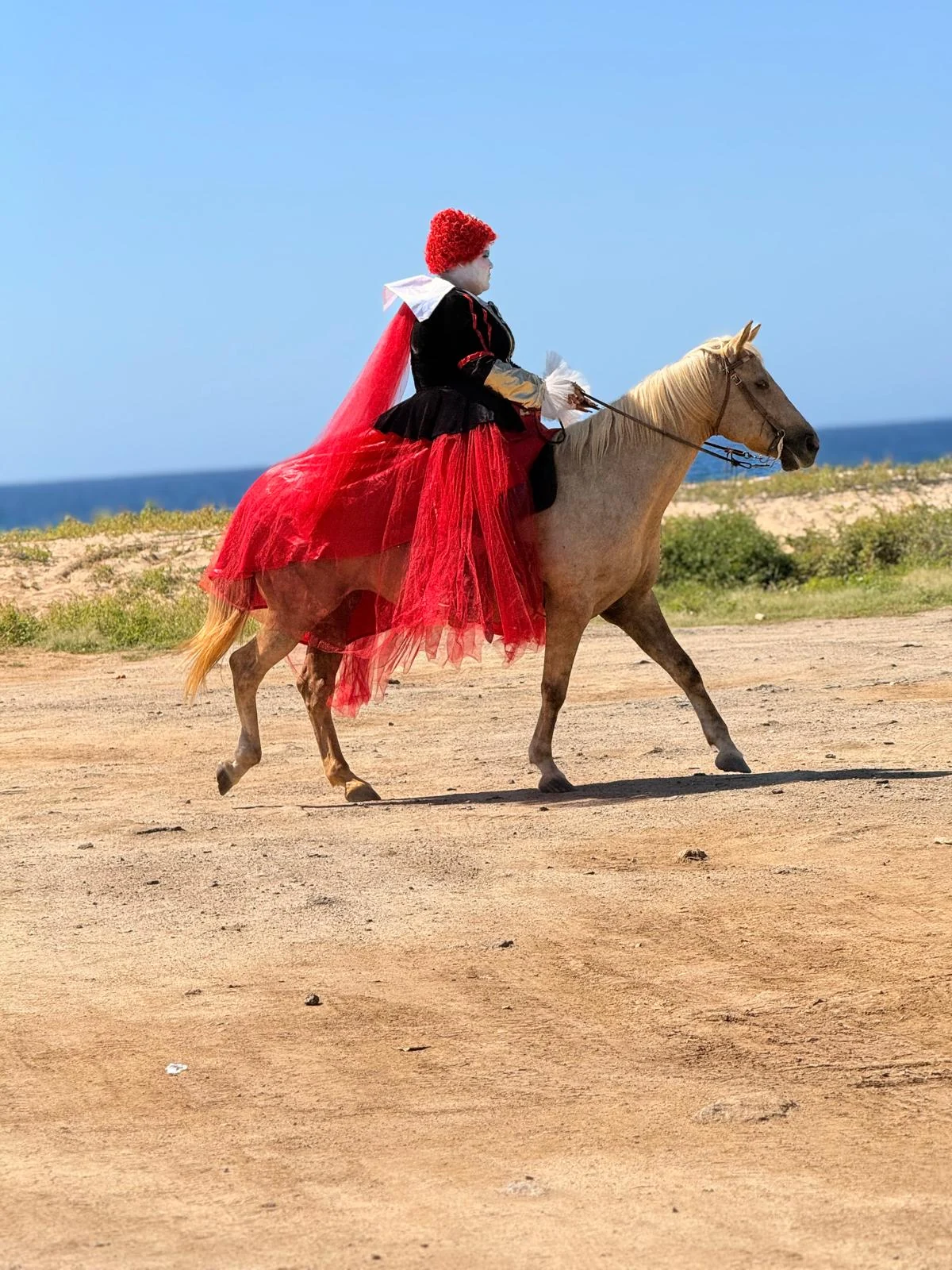
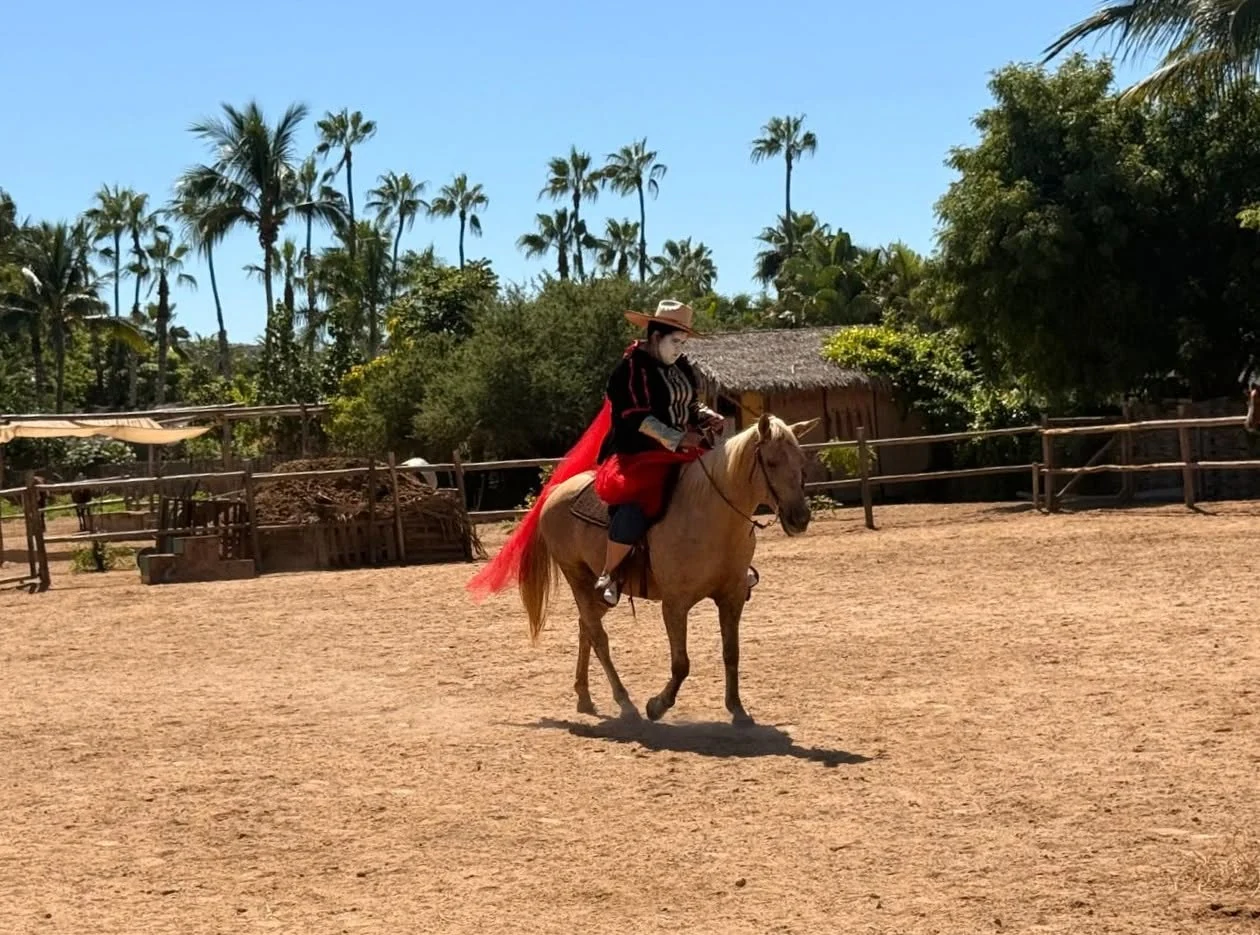
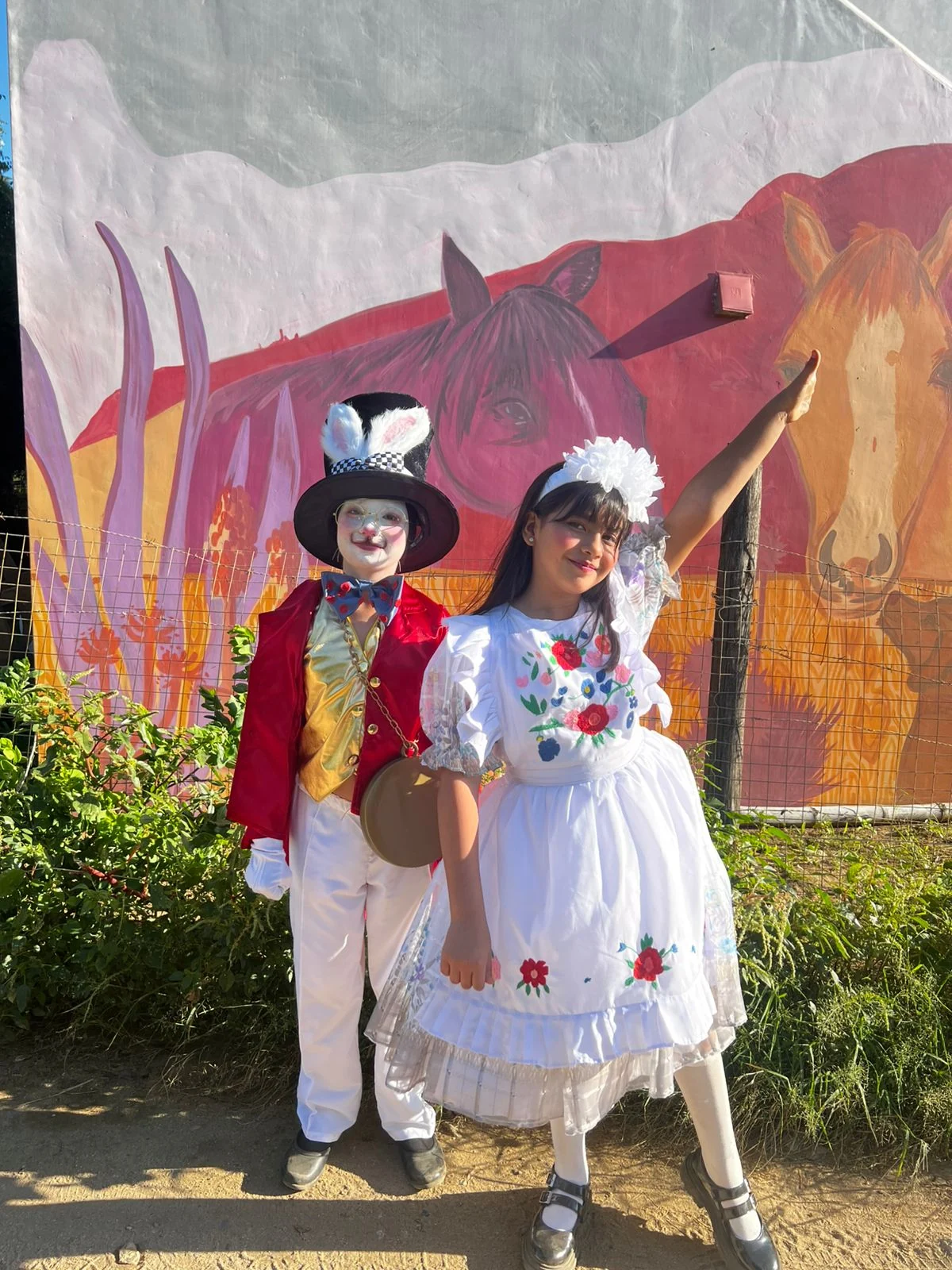
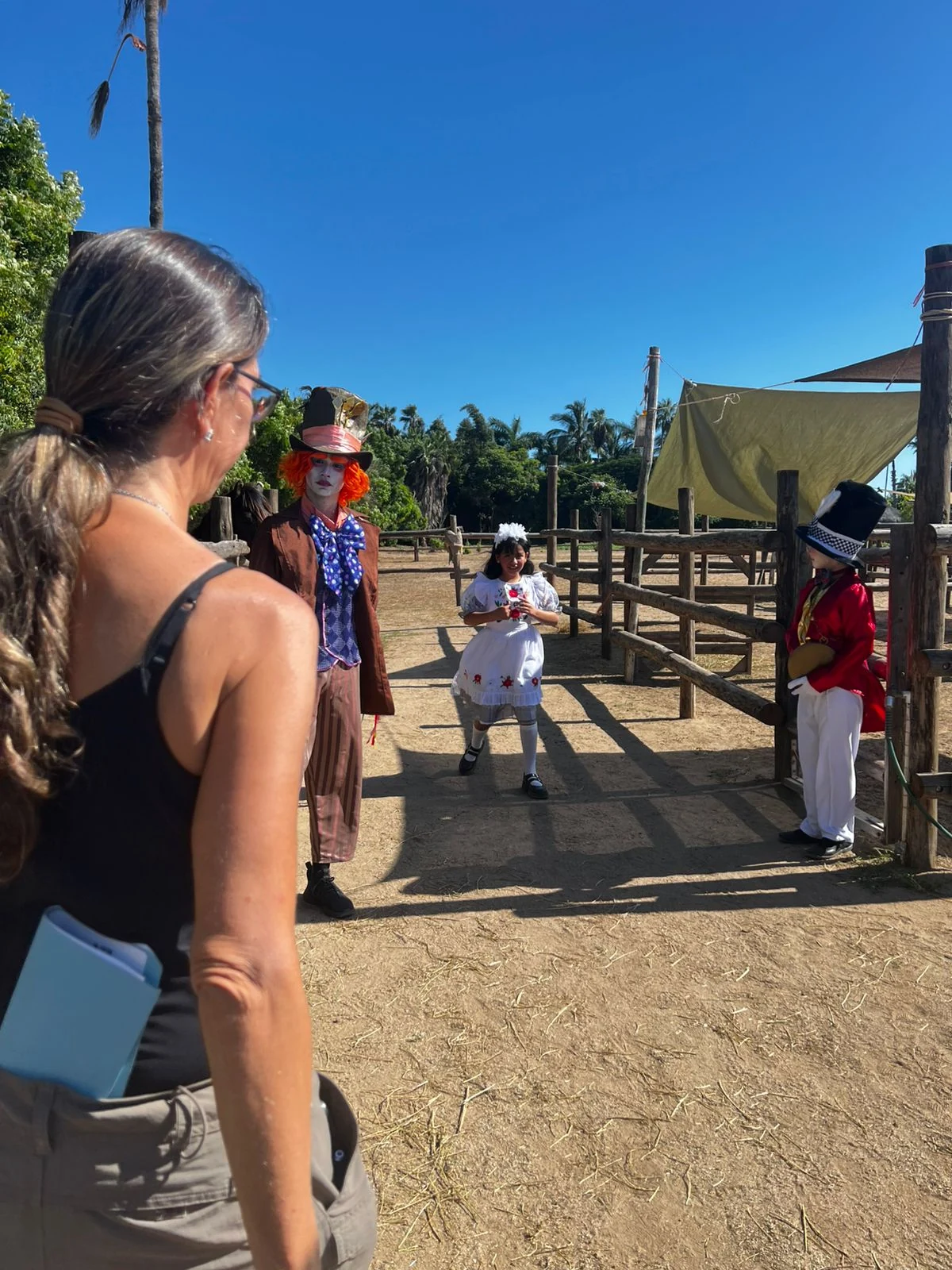
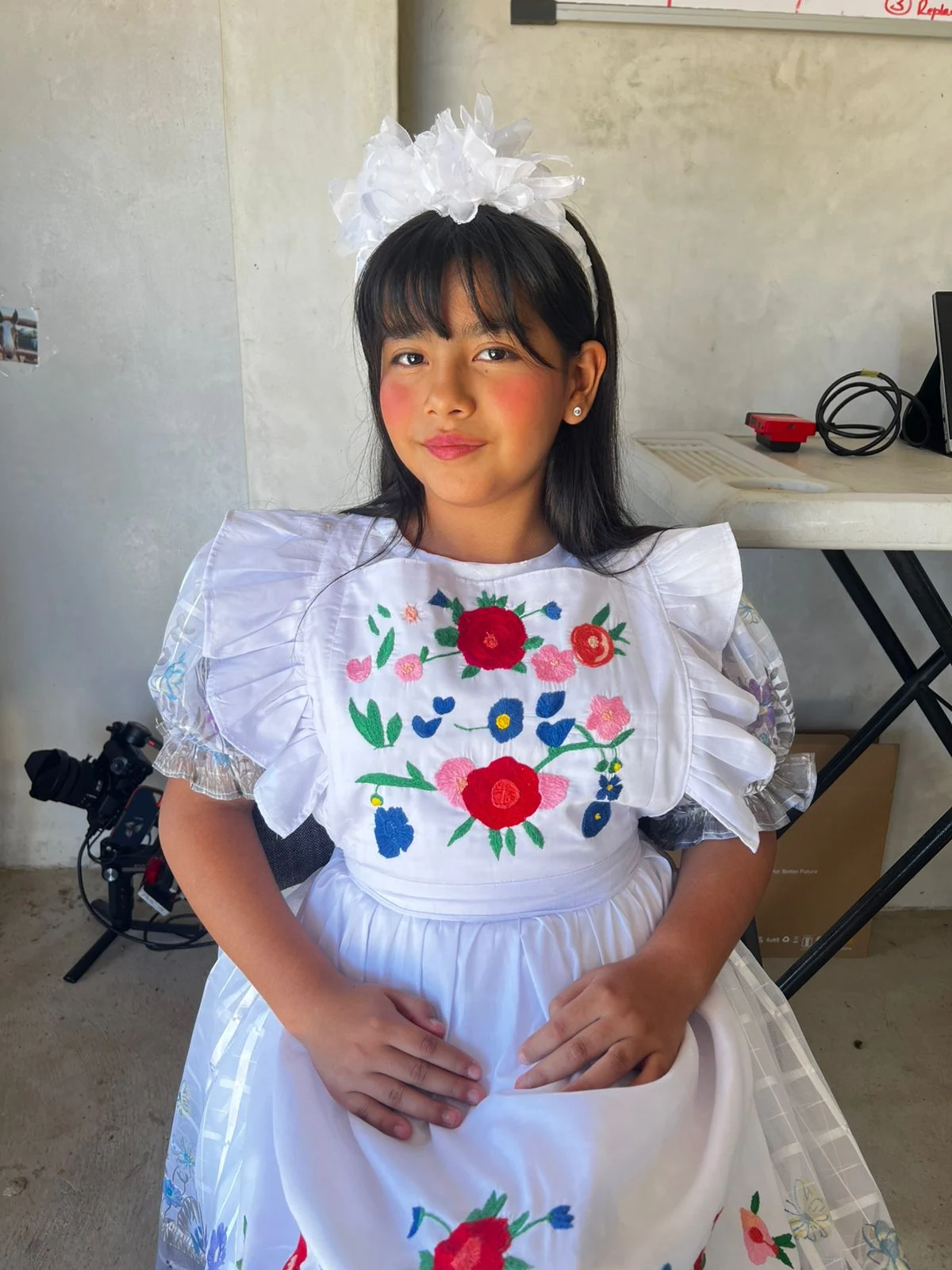
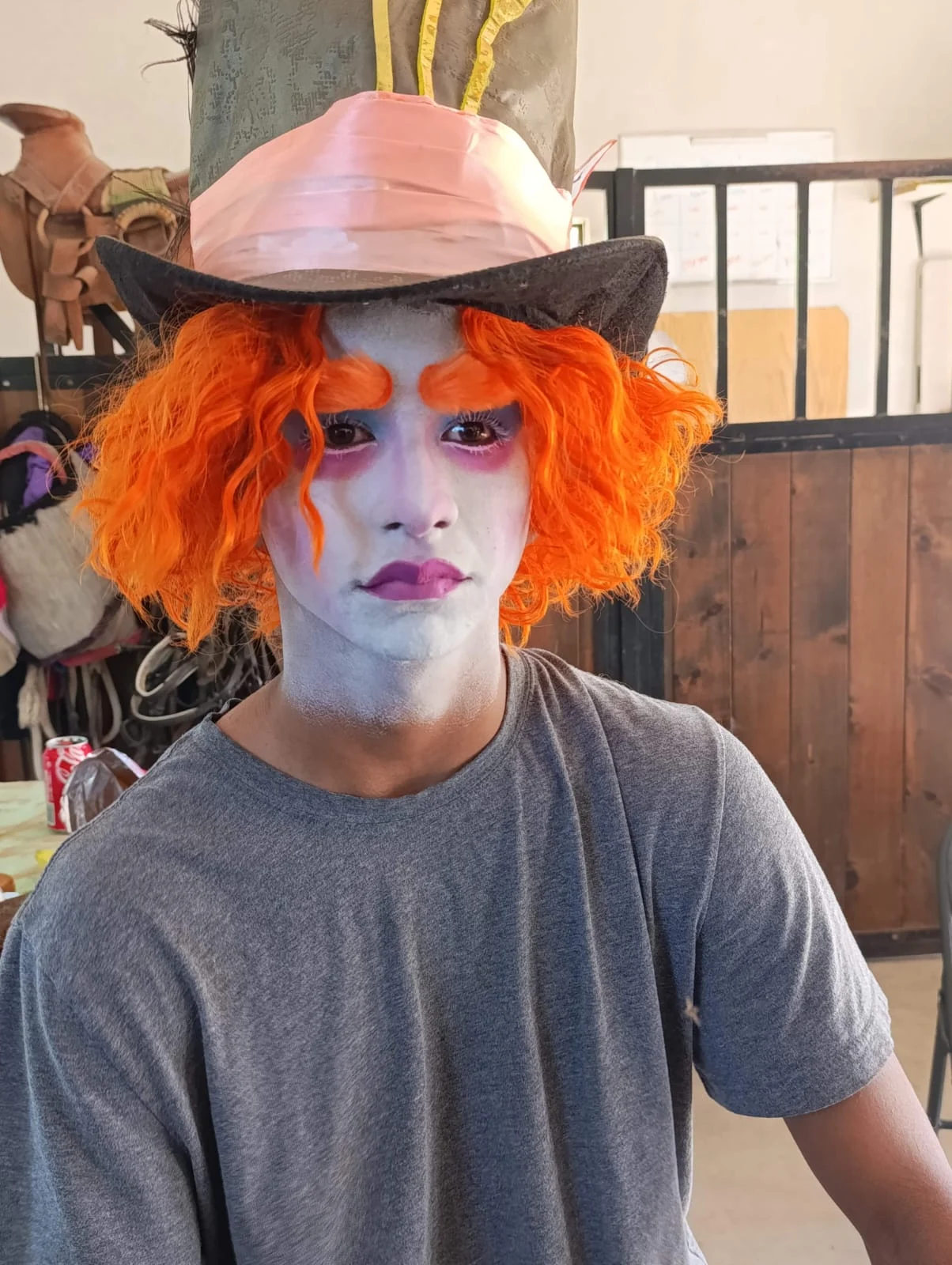
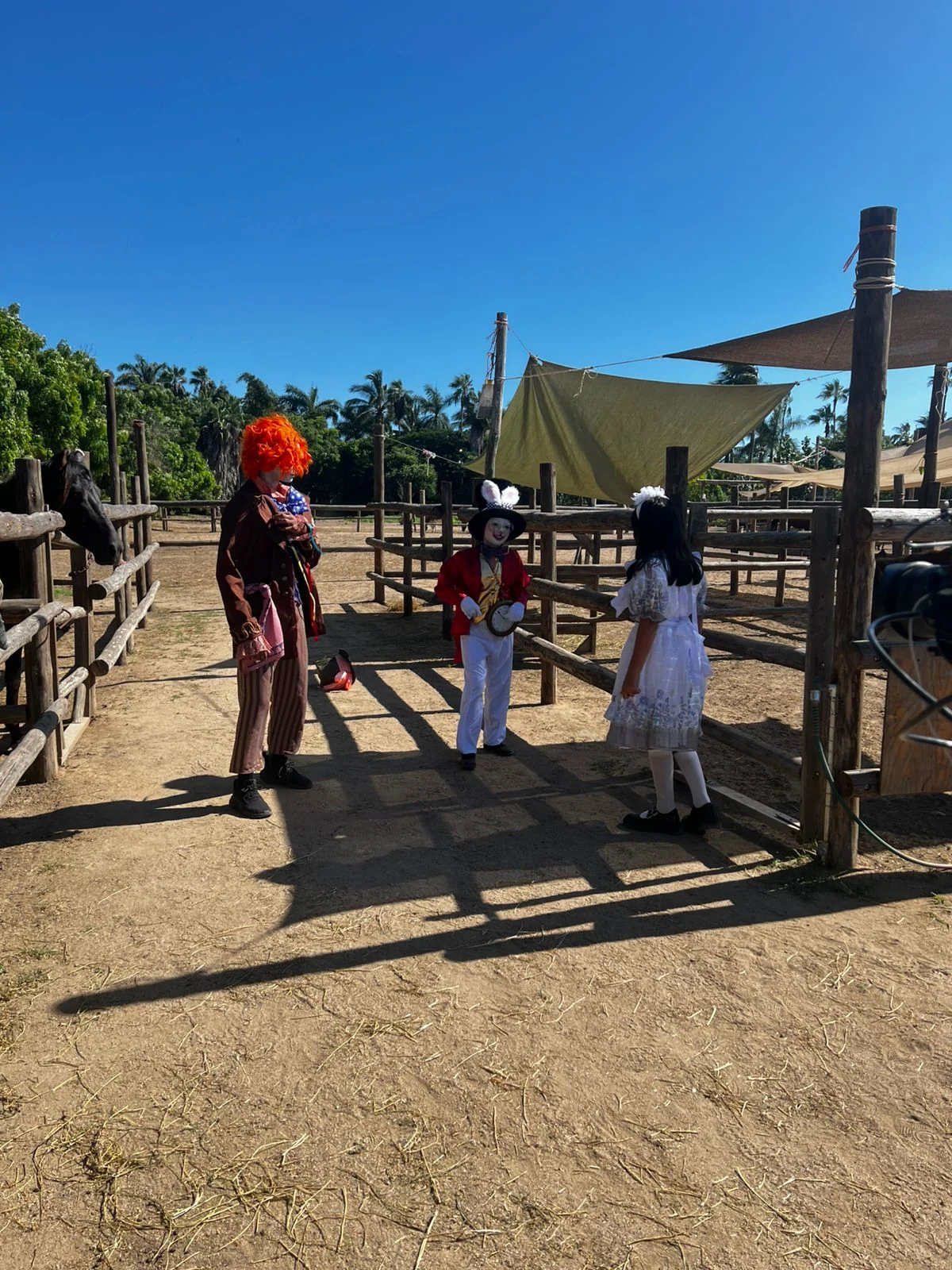
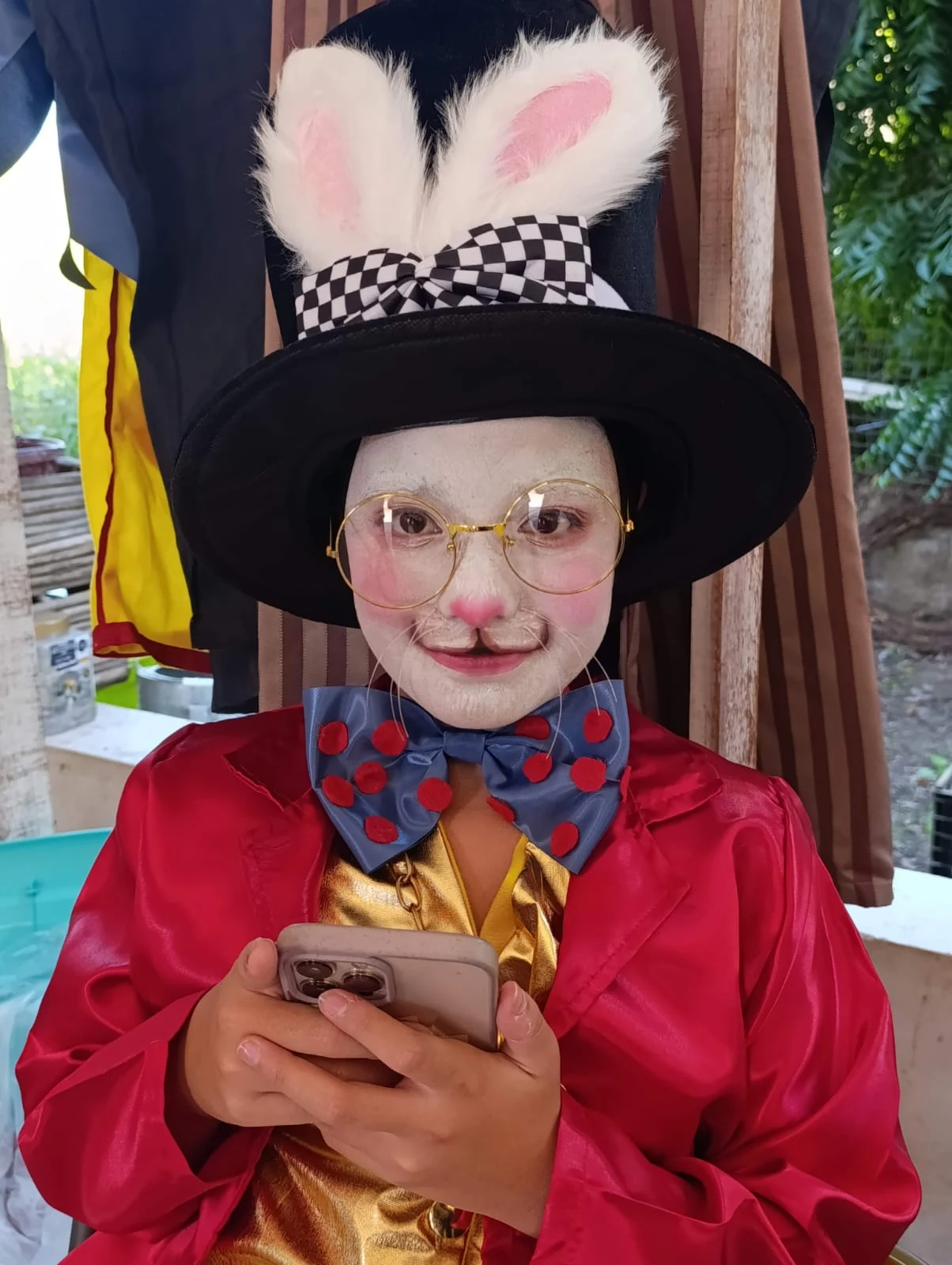
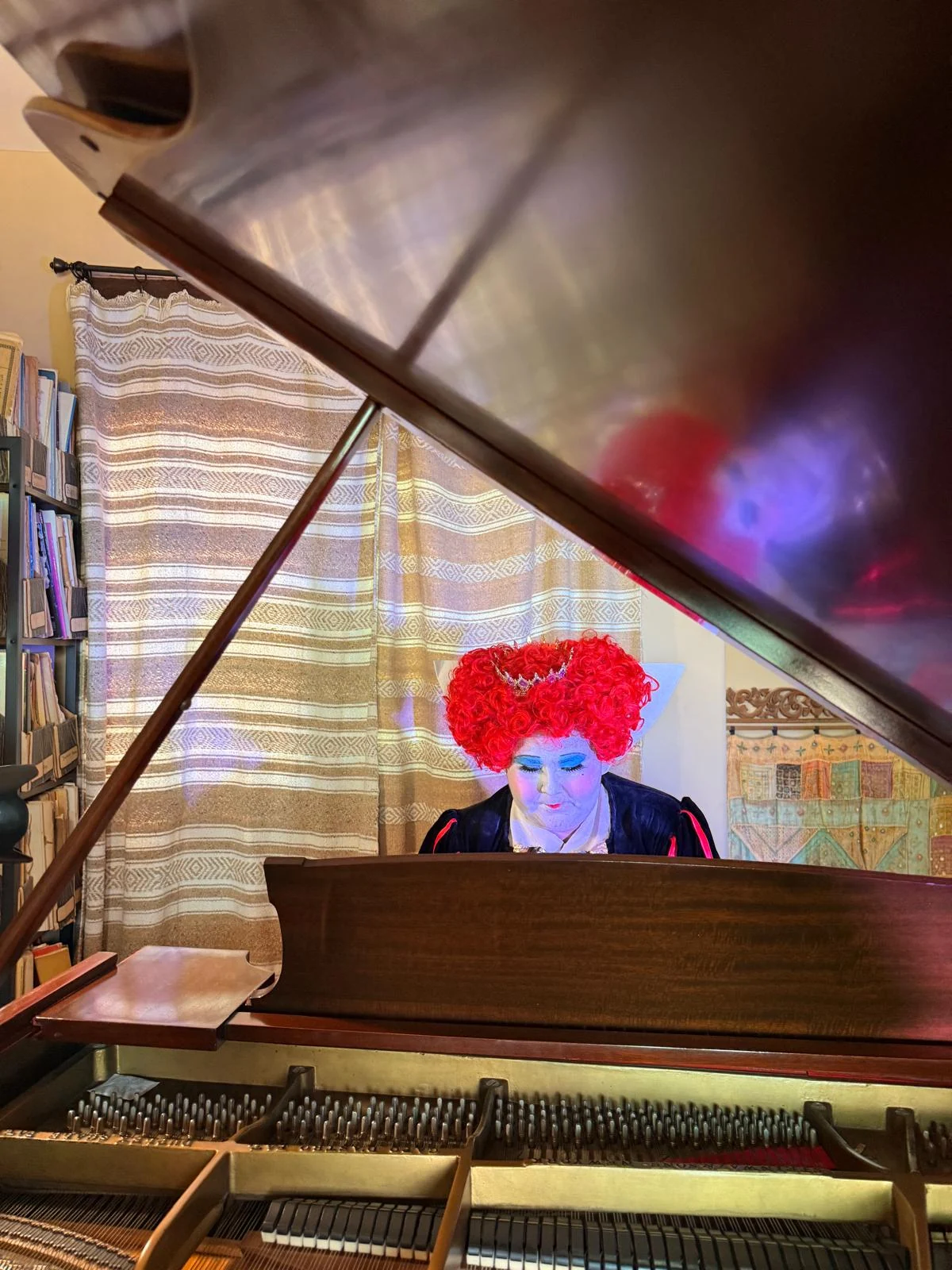
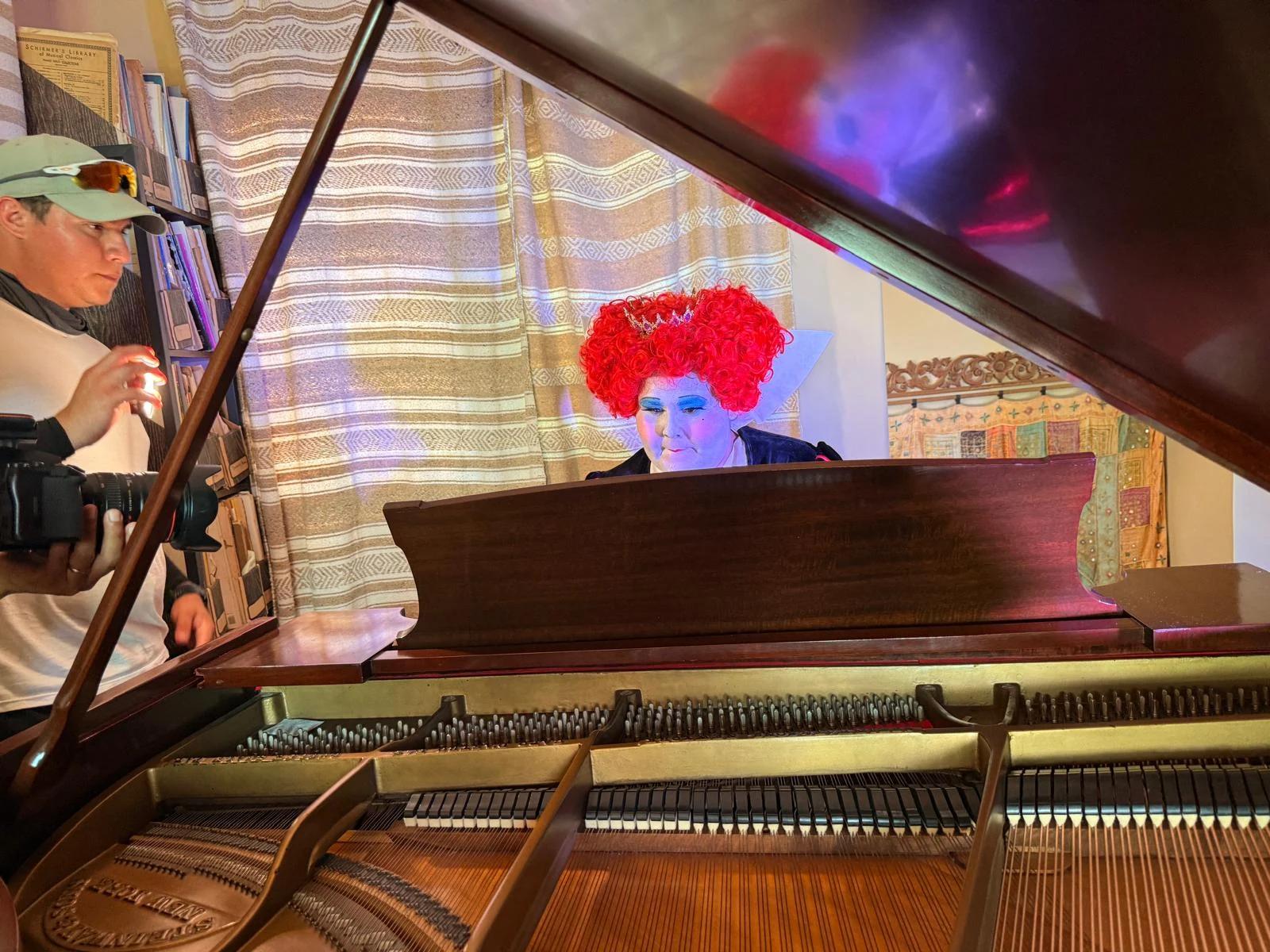
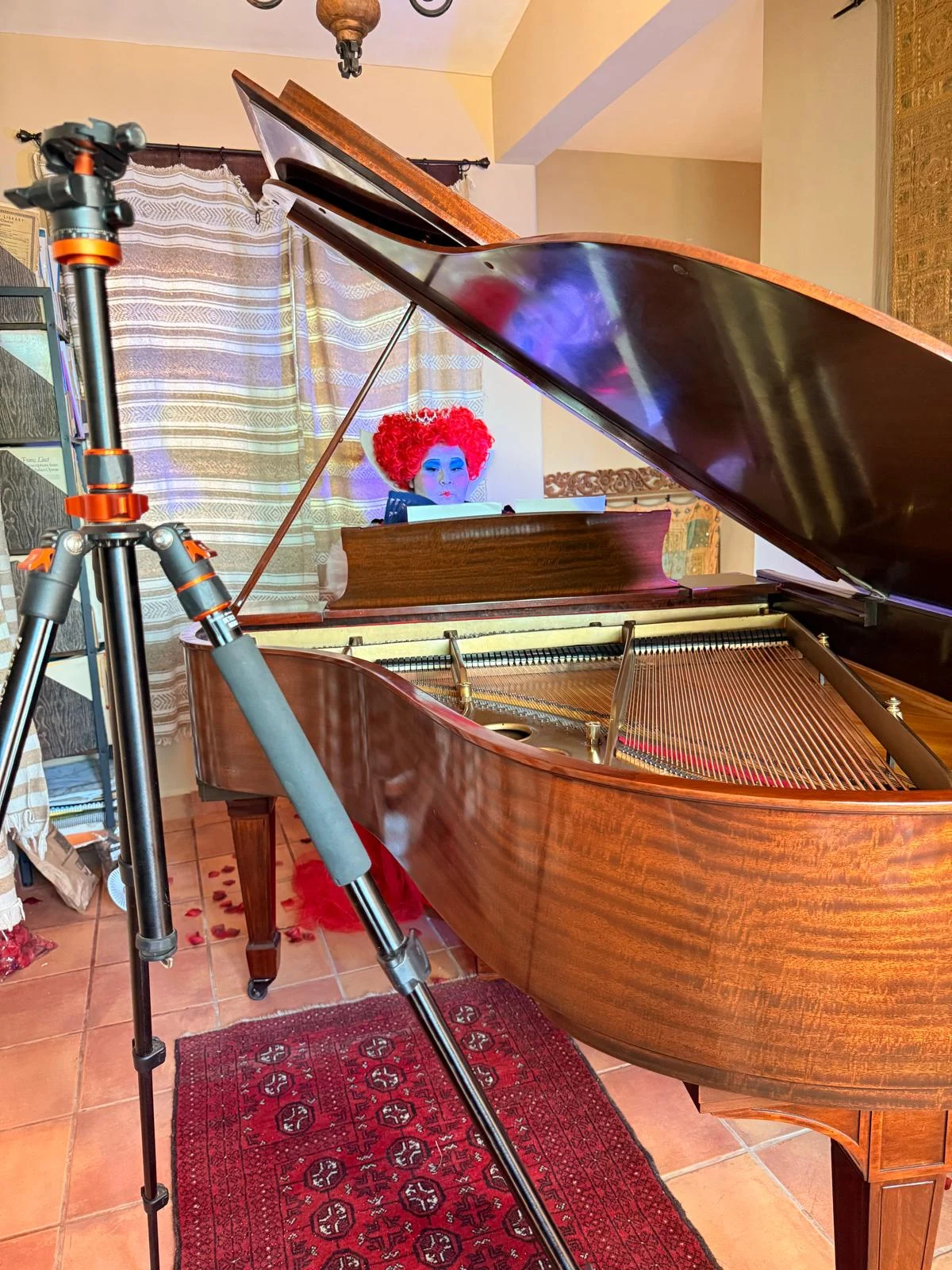
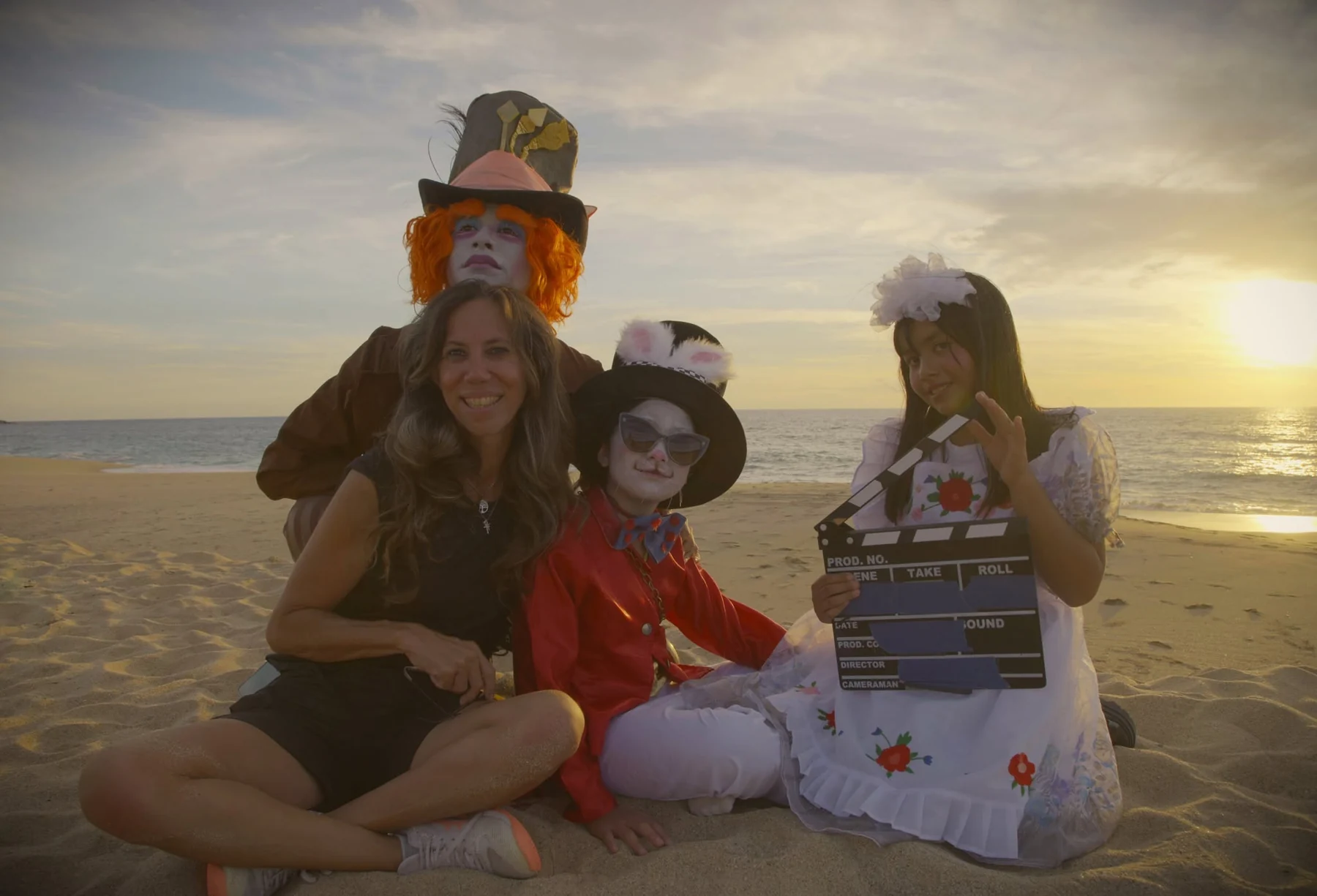
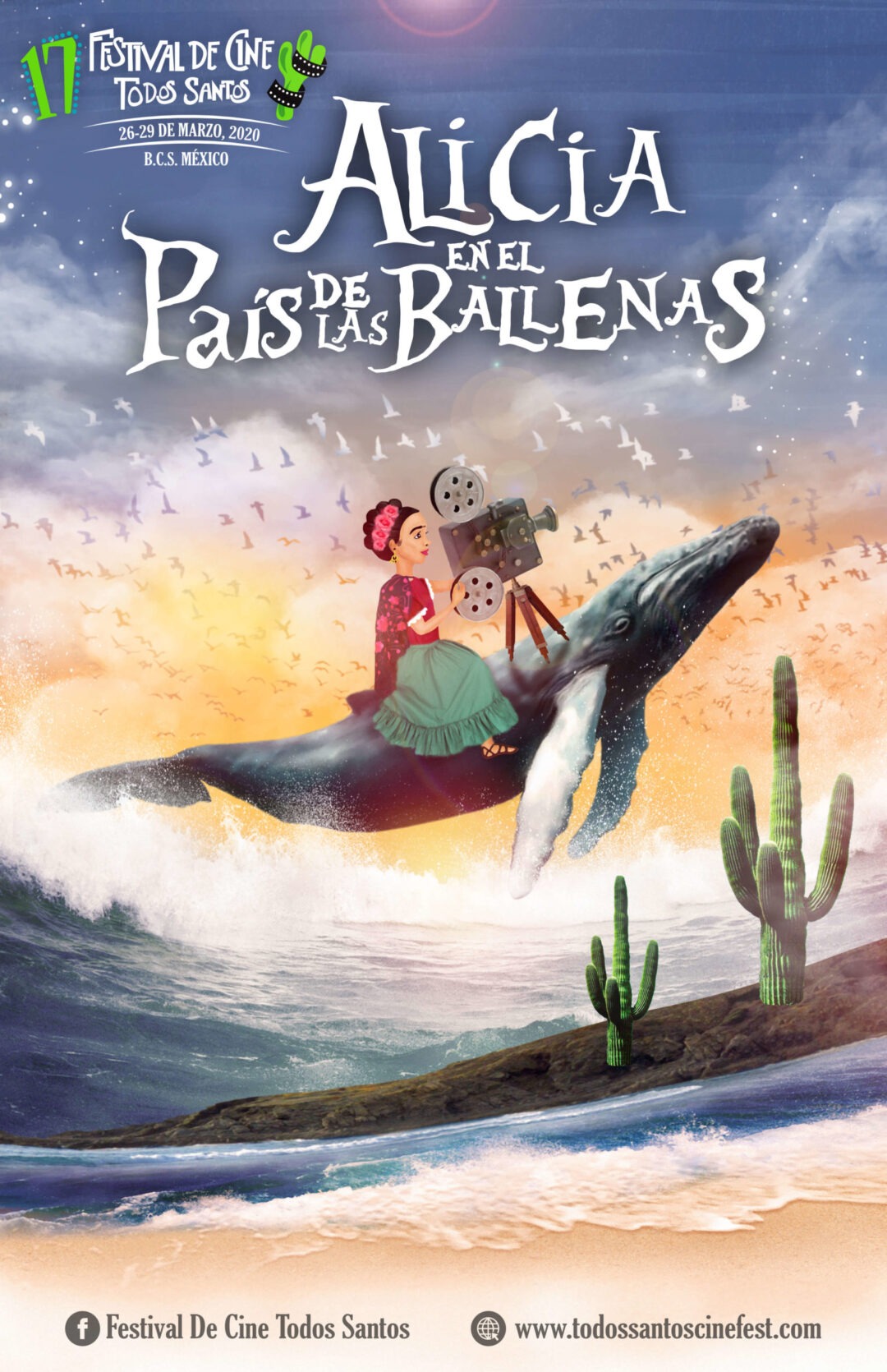
The Leonardo Perel Film School presents the premiere of Alicia y la Isla Misteriosa at the 2026 Todos Santos Film Festival. Produced by the school and directed by Sylvia Perel, this short film continues the story of Alicia en el país de las ballenas, which has toured festivals and received awards.
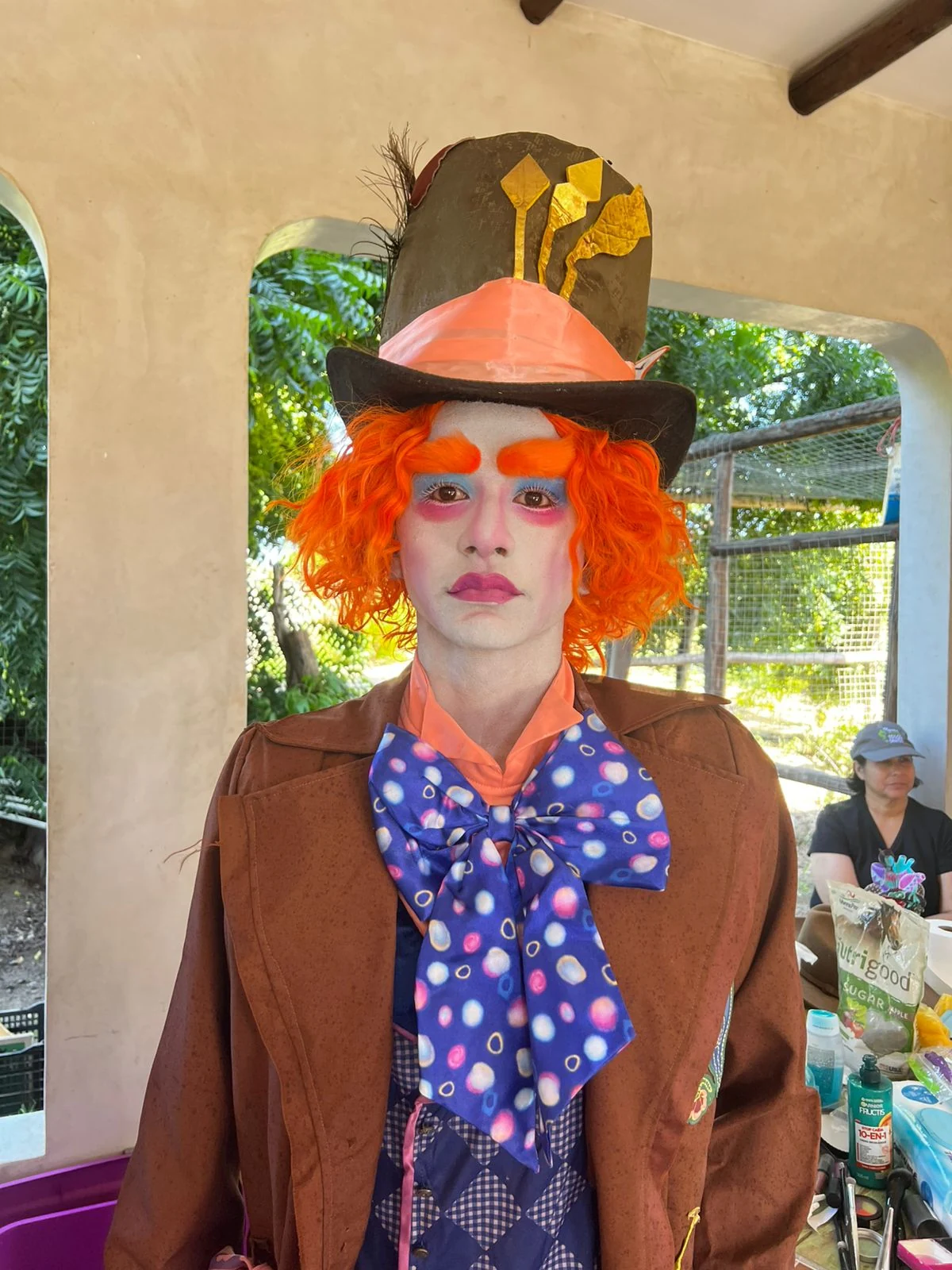
Alicia continues her journey to protect the environment, accompanied by her friends the Hatter and the White Rabbit. New adventures await in the wonderful surroundings of Todos Santos and the Baja California Sur peninsula.
Learning by doing
Filming turns imagination into a shared experience: participants discover the language of cinema through practice, collaboration and the creation of their own story.
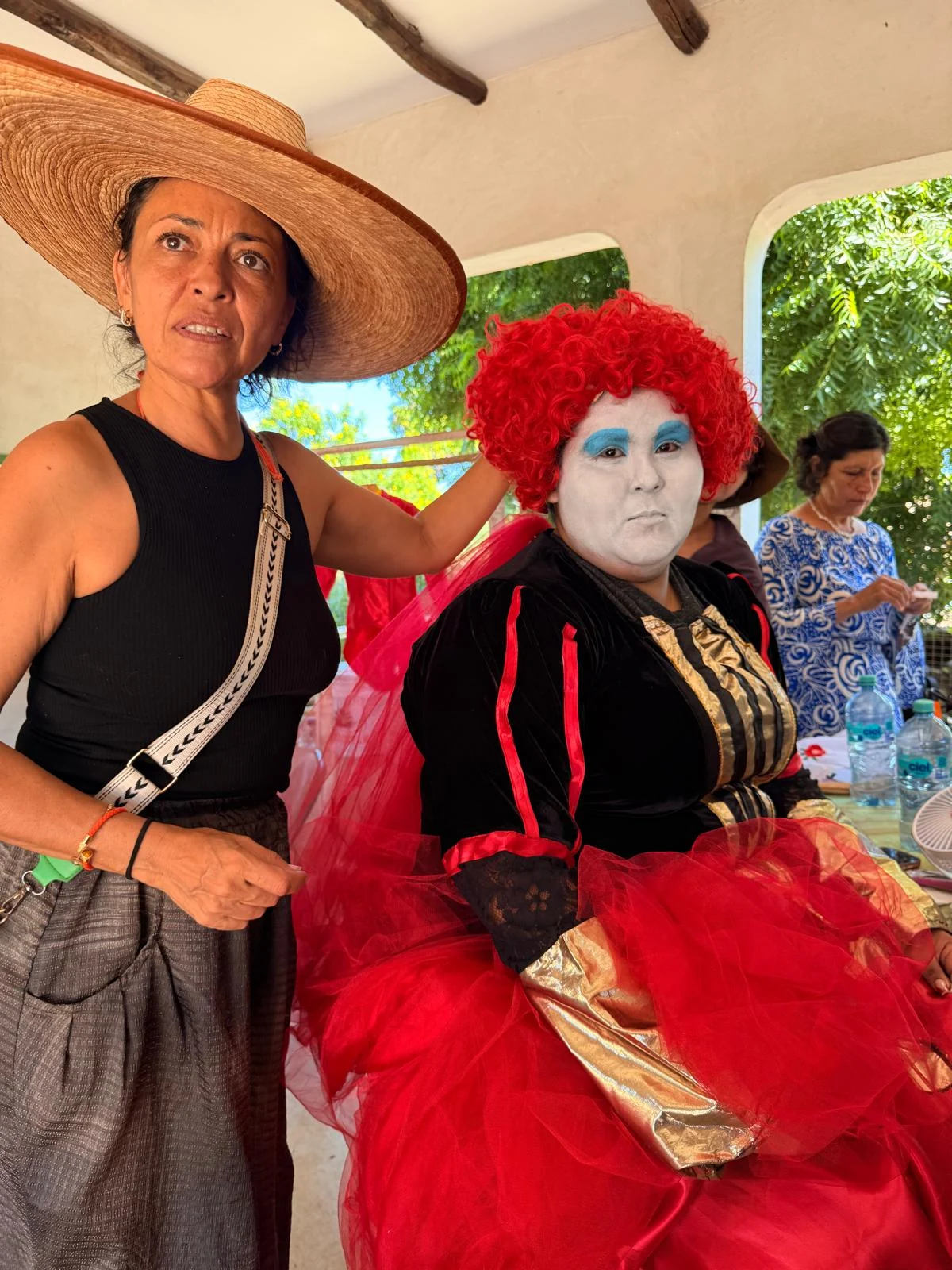
The cast features Alani Itzae Pacheco Reyes as Alicia, Rebeka Reyes Solórzano as the Rabbit, Erick Alberto Ojeda Salgado as the Hatter and Luciana Talamantes as the Red Queen, with a special appearance by Damián Alcázar as the voice of the Cat.
These productions are made possible by audience donations and the support of festival sponsors. Your participation helps the Leonardo Perel Film School keep nurturing new voices and making films as a community.
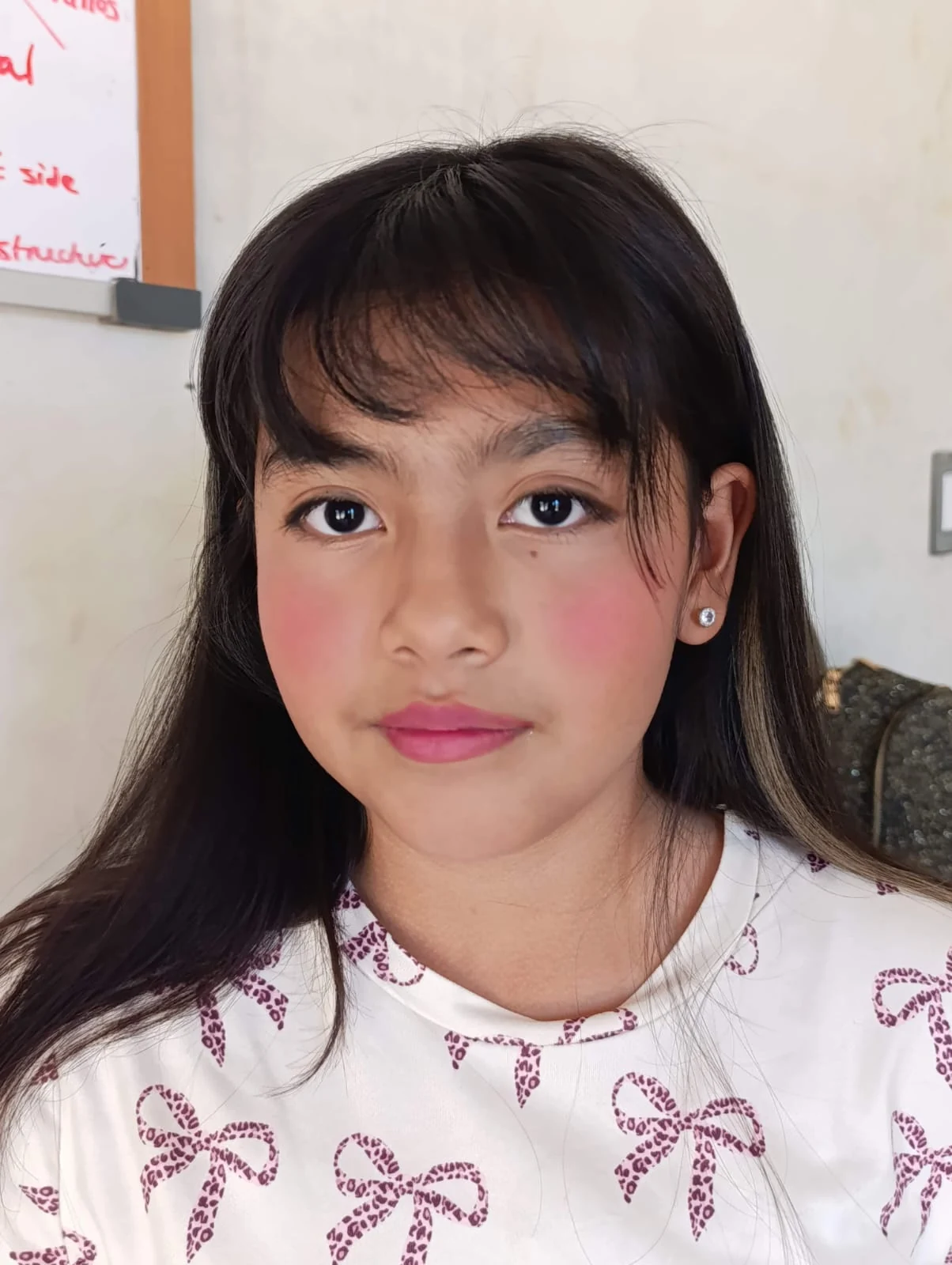
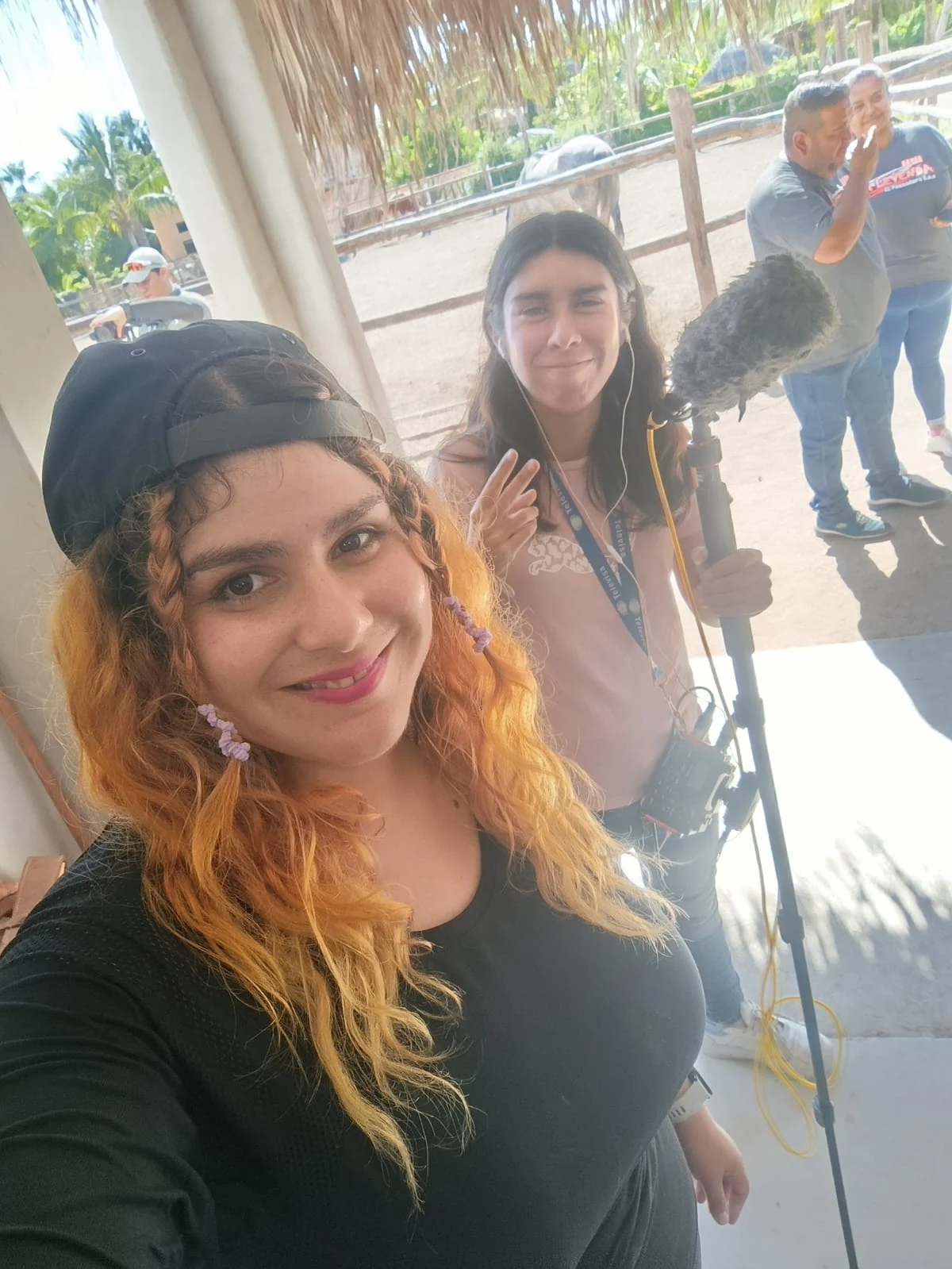
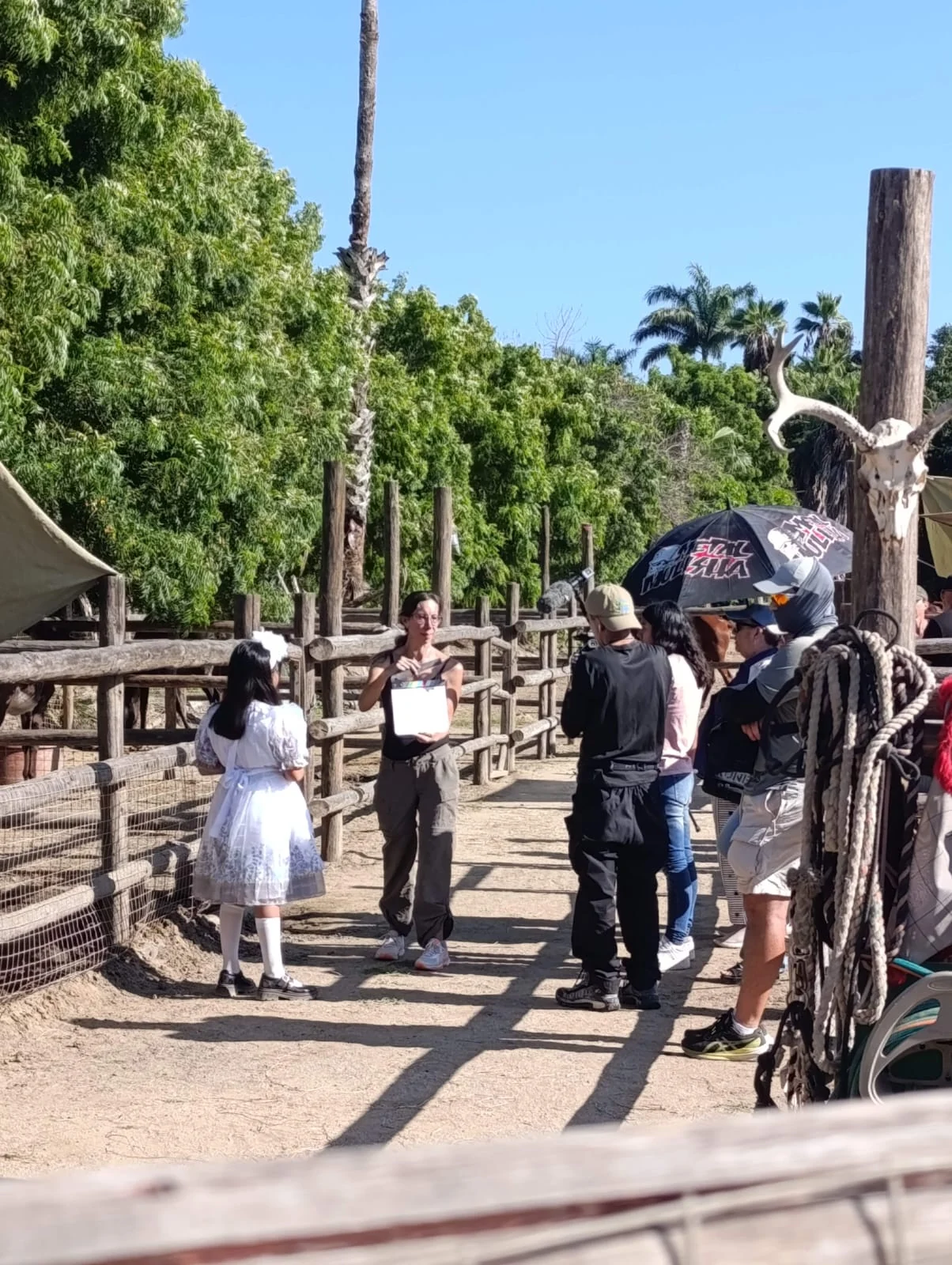
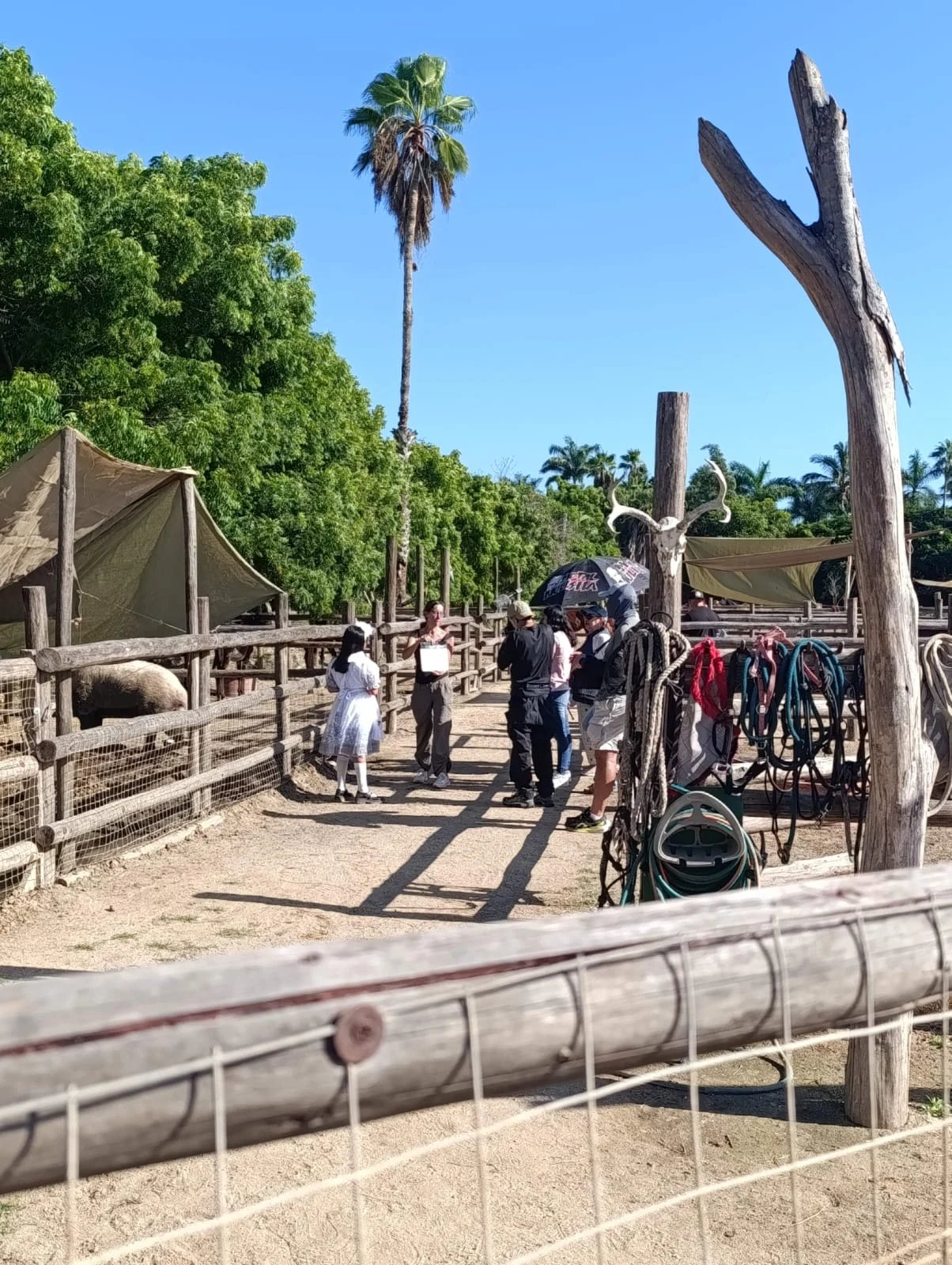
Locations, characters and shared moments bring learning by doing to life. Open a photograph to see it in full and explore the gallery.
FILMS FROM THE SCHOOL
Productions
BEHIND THE SCENES
Learning through filmmaking
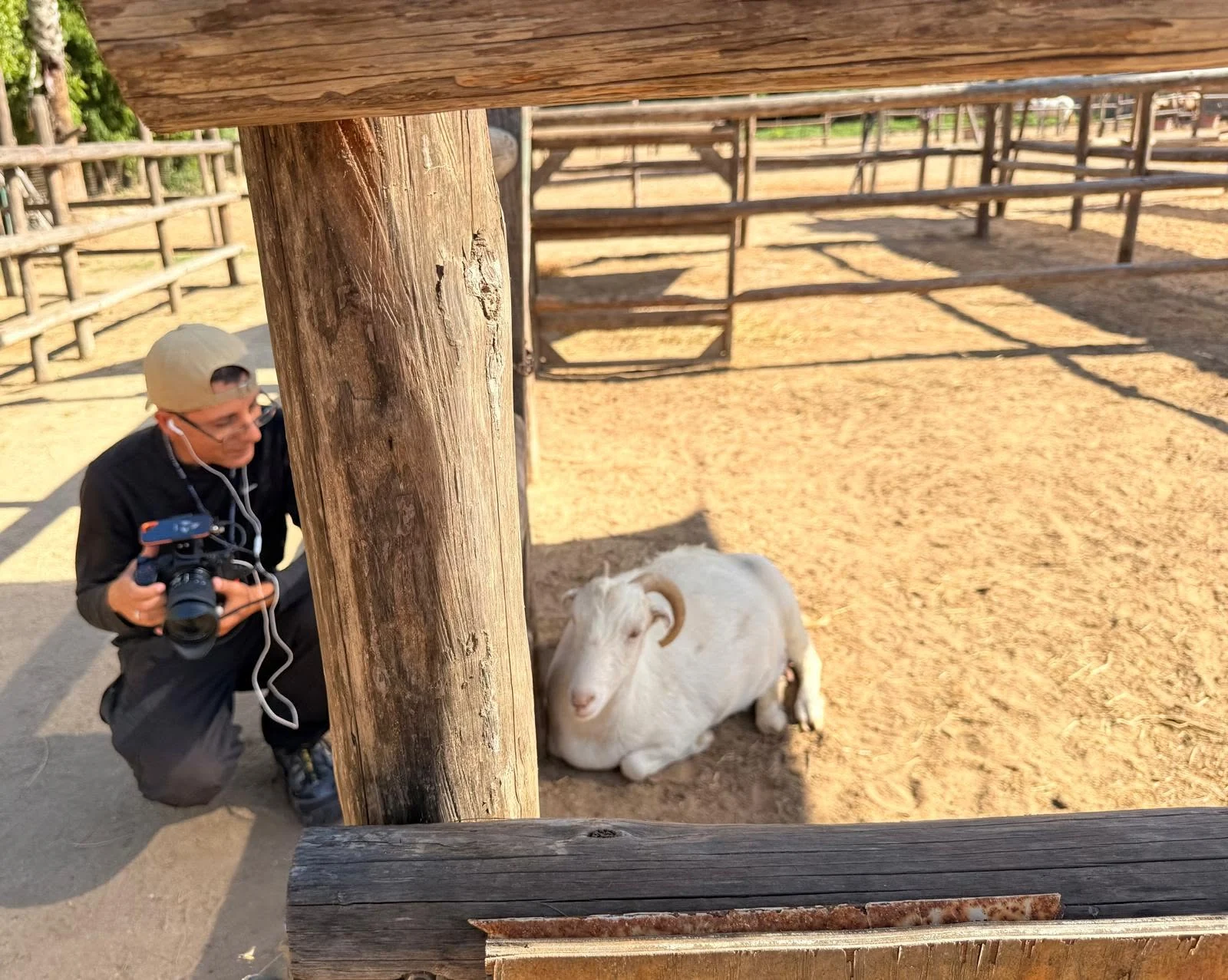
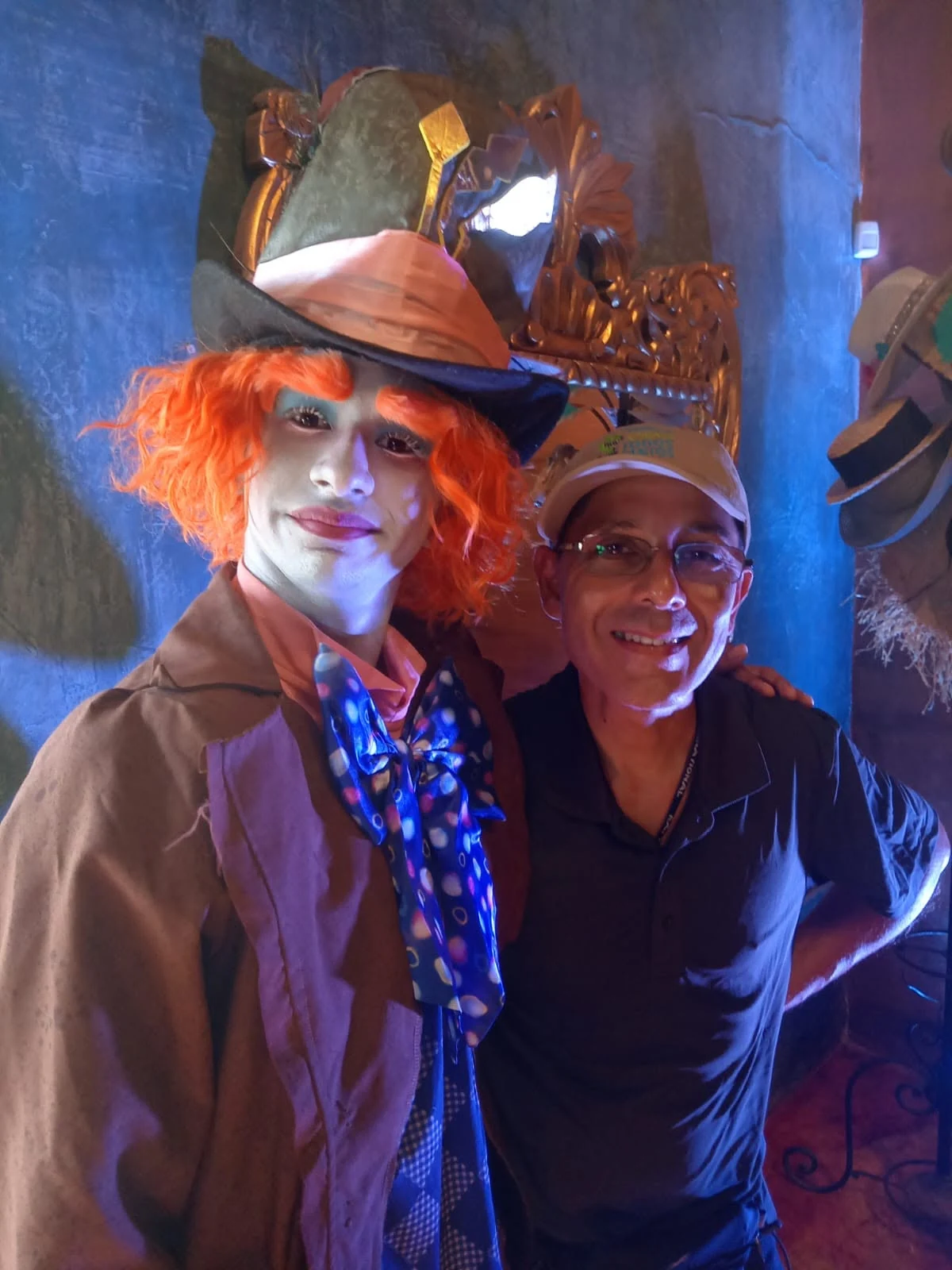
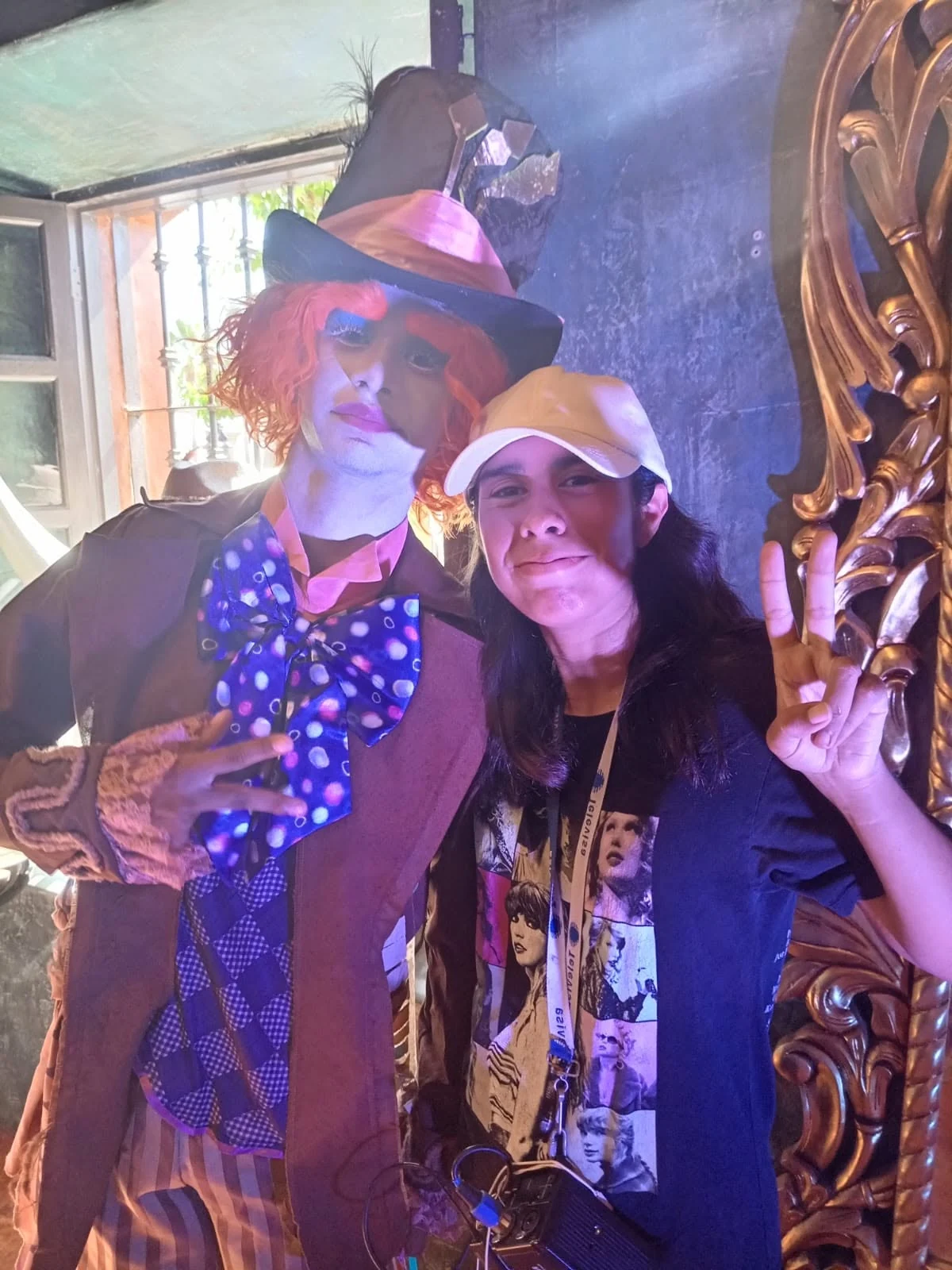
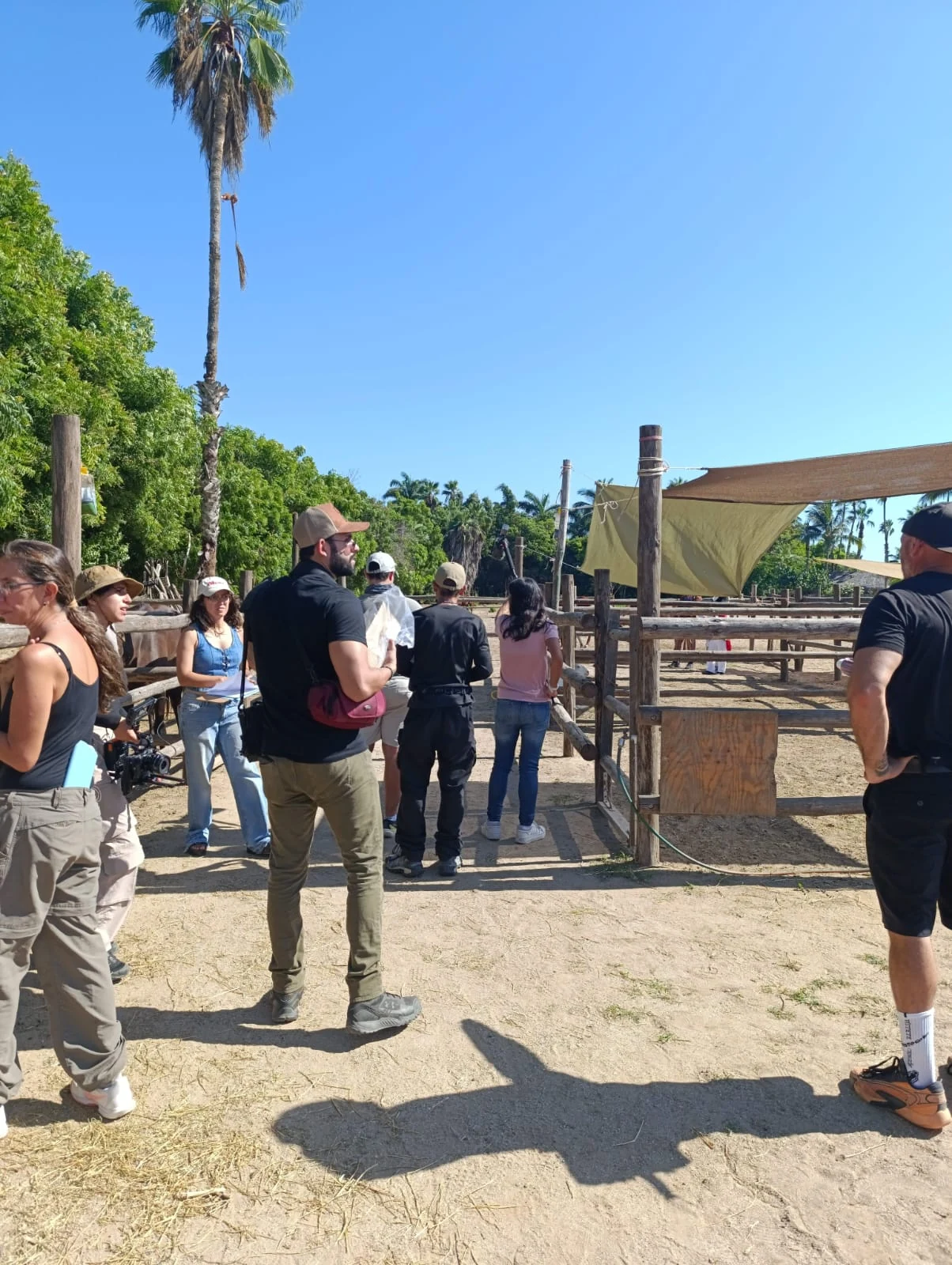
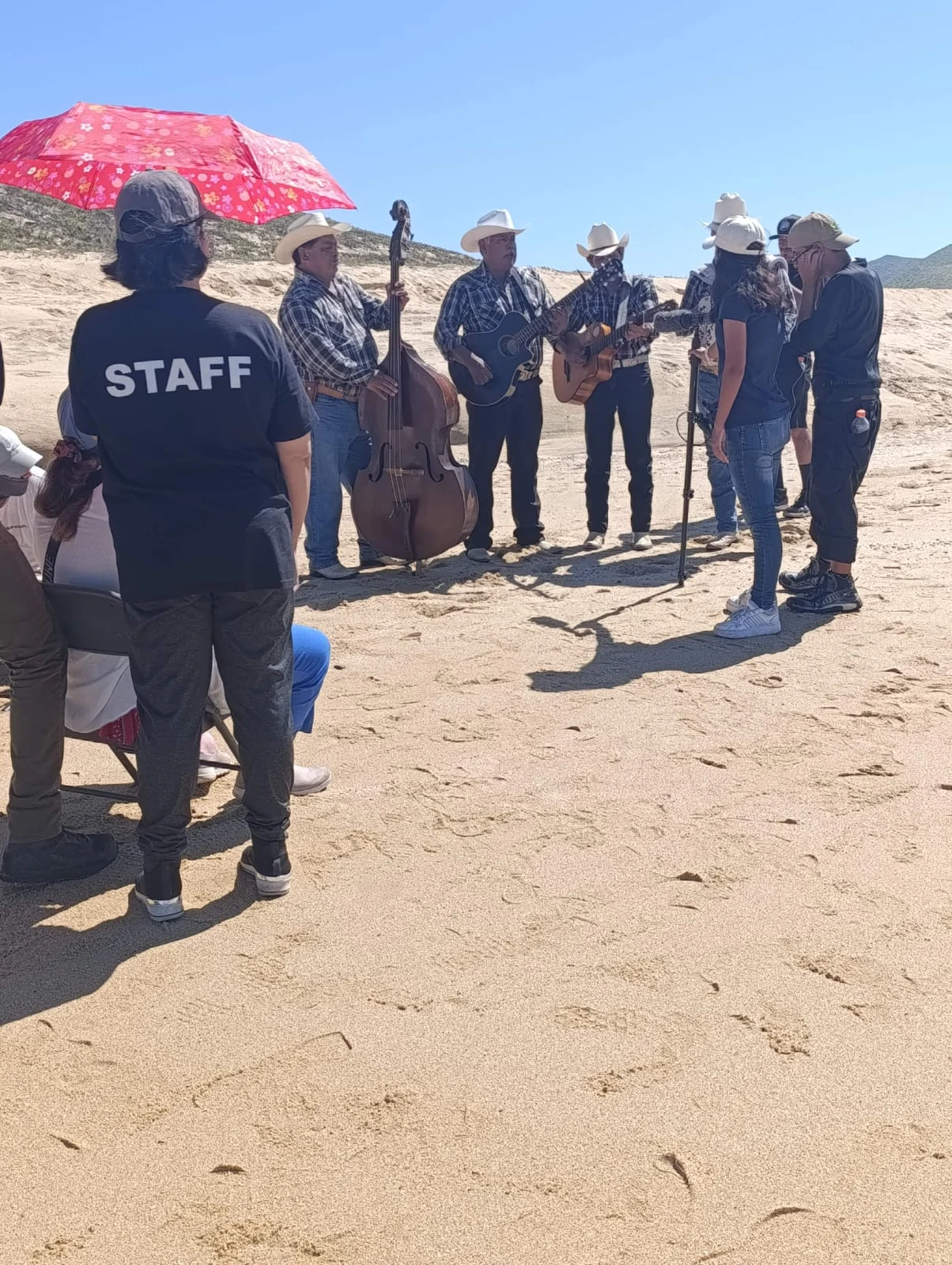
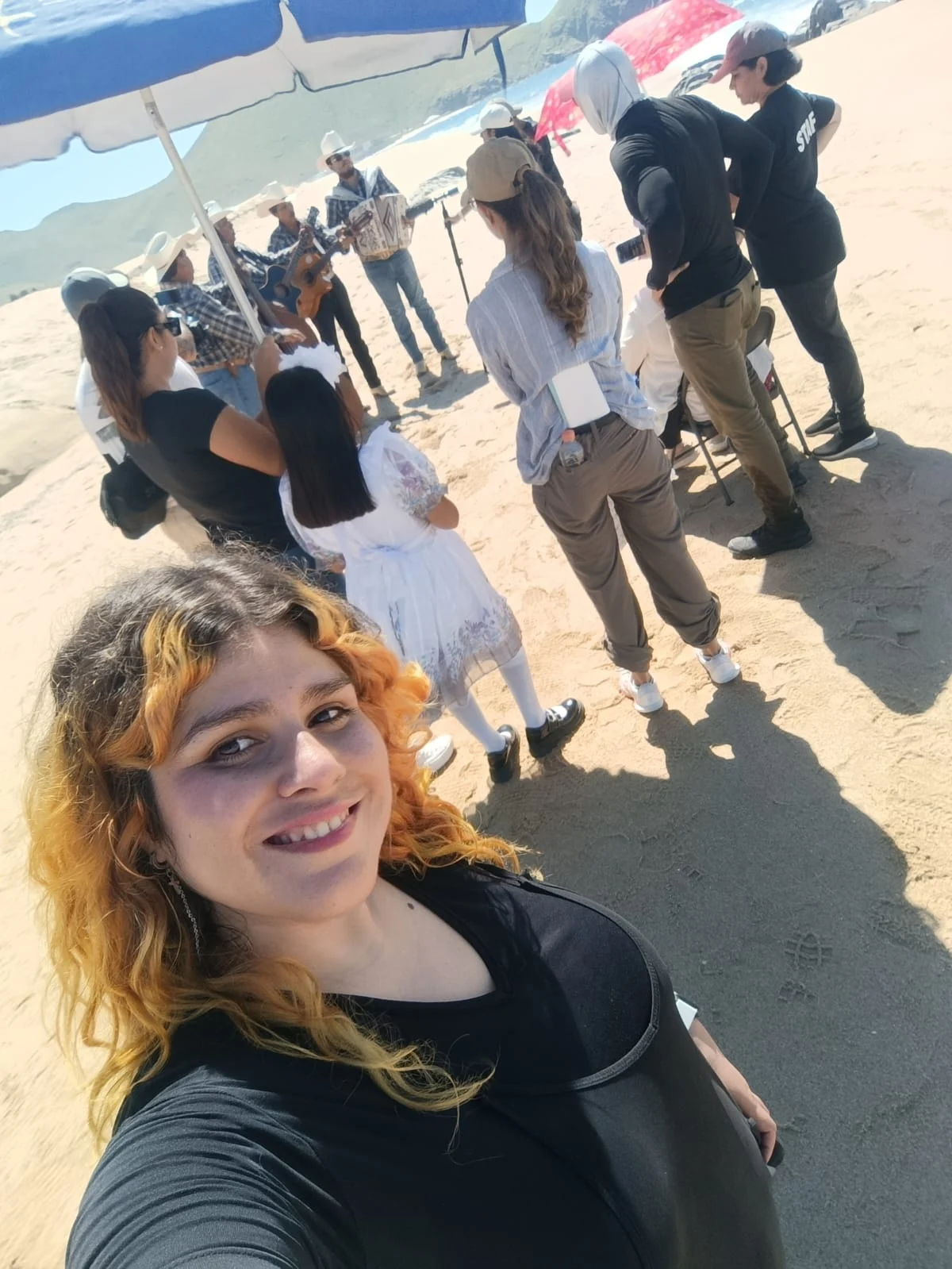
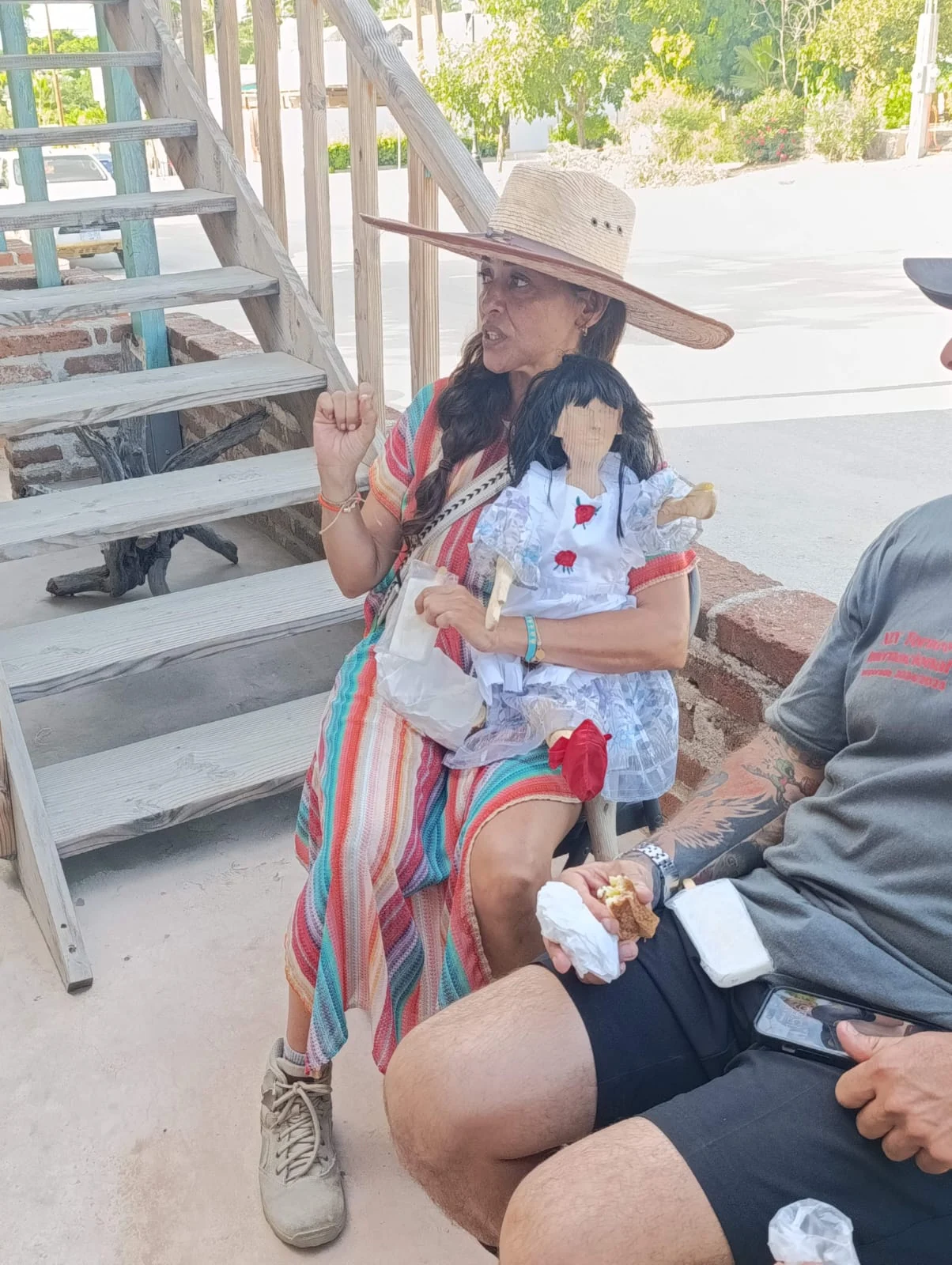
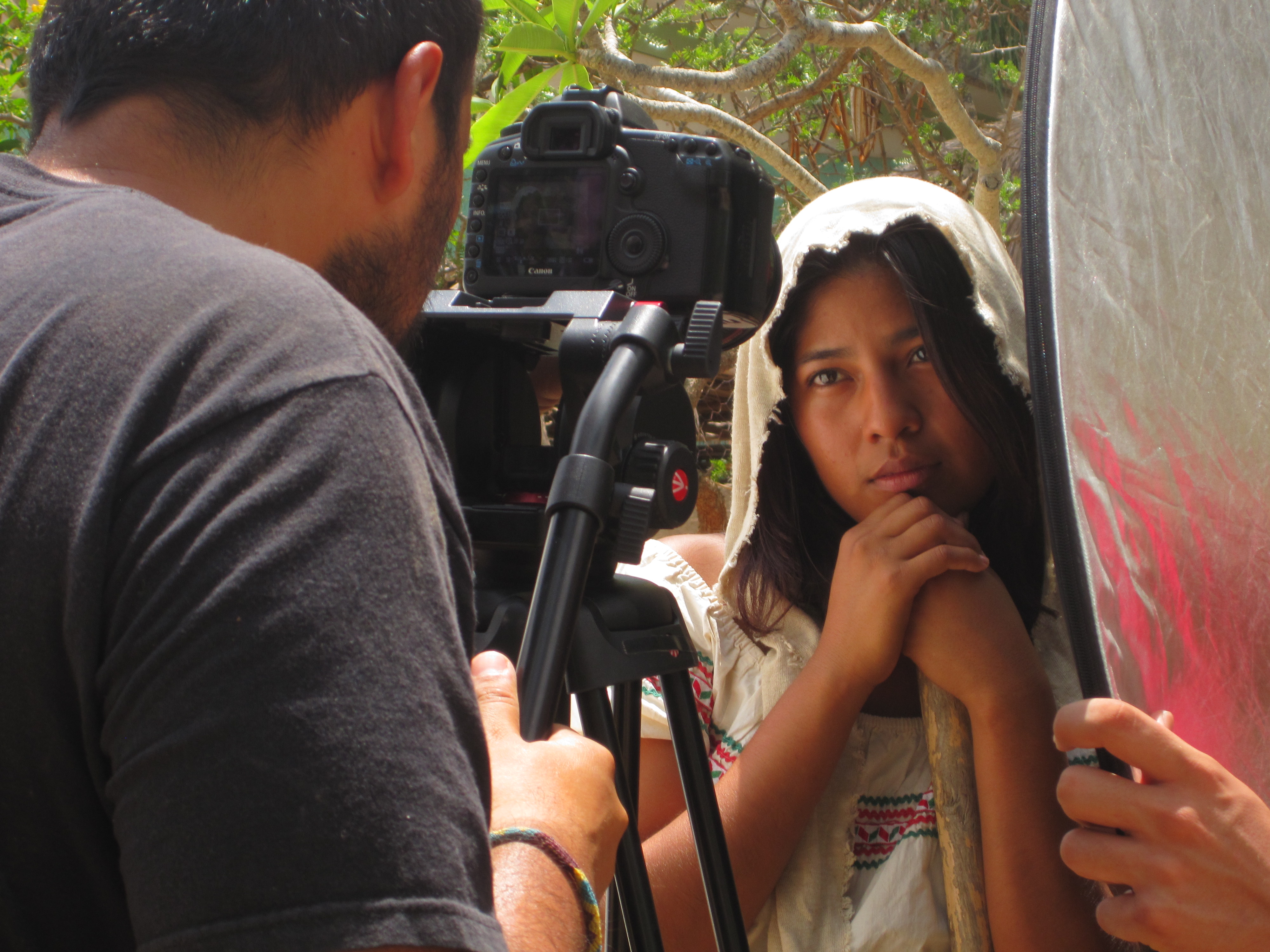
Filming and activity photographs from the Leonardo Perel Film School, drawn from the festival archive.
Filming La AhorcaditaFilm School studentsFilm School · theaterLeonardo Perel Film School
OUR TEACHERS
Teaching Staff
Director
Sylvia Perel
Born in Buenos Aires, Argentina, she lives in San Francisco, California, and Todos Santos. She is the founder and director of the San Francisco Bay Area International Latino Film Festival and the Todos Santos Film Festival in Baja California Sur, Mexico.
Read biography
Born in Buenos Aires, Argentina, she lives in San Francisco, California, and Todos Santos. She is the founder and director of the San Francisco Bay Area International Latino Film Festival and the Todos Santos Film Festival in Baja California Sur, Mexico. She graduated in art history from the University of Buenos Aires, where she taught art and film history. In 1998, she founded Jóvenes en Vídeo, a program that has produced more than 50 films made by children and teenagers in the United States, Mexico and Argentina. She has curated Latin American cinema for festivals including Redwood City and Trieste, and served on international juries at numerous festivals.
Producer, Director, Editor
Pilar Colomé
Salvadoran / Spanish. She holds a degree in communications and journalism, specializing in documentary and film post-production. She trained at the Centro de Capacitación Cinematográfica (CCC) and in educational audiovisual production through Mexico's Ministry of Public Education.
Read biography
Salvadoran / Spanish. She holds a degree in communications and journalism, specializing in documentary and film post-production. She trained at the Centro de Capacitación Cinematográfica (CCC) and in educational audiovisual production through Mexico's Ministry of Public Education. She has more than 30 years of experience producing and post-producing documentaries, series, social-development audiovisual projects and fiction features. She serves on international festival and funding juries and advises on communication strategies in El Salvador, Guatemala and Mexico. Her post-production career includes academic technical work at UNAM's CUEC and series for Discovery Channel, Prime Video, Netflix, Disney+ and Anders Media. She has produced and directed independent human-rights documentaries including Jocelyn y el Coyote, about a migrant girl, which won Best Documentary at The Americas Film Festival of New York and the Mexica Film Awards; De Barlovento a Sotavento, supported by El Salvador's Pixel Pro fund and co-produced with Mexico and the United States; El Salvador vale la pena; and La cara oculta de la frontera. In higher education, she founded and coordinated the Professional Film and Television Workshop at the Mónica Herrera School of Communication. She has taught and facilitated graduate and undergraduate programs and peace-culture projects. A film activist, she has developed leadership skills through social service. Her production El Viaje en Moto received support from the Ibermedia Program.
Producer, Screenwriter, Cinematographer
Cristian Denevi
An image and sound design graduate of the University of Buenos Aires' Faculty of Architecture, Design and Urbanism. A film and television producer and specialist in new audiovisual technologies.
Read biography
An image and sound design graduate of the University of Buenos Aires' Faculty of Architecture, Design and Urbanism. A film and television producer and specialist in new audiovisual technologies. He has produced television for Telefe and América in Argentina and telenovelas for Crustel and Televisa Argentina. In cinema, he has worked on fiction and documentary productions for Germany, Argentina, Spain, Hungary, Italy, Mexico and Uruguay. He teaches at FADU in Argentina, the Uruguayan Film School and Campus, a 3D animation school in Uruguay. In 2009, he founded Arte XXI, a cultural-management organization dedicated to training, digital literacy, audiovisual work, cultural development and outreach. Through it, he has developed cultural exchanges with Argentina, Brazil, Mexico, Puerto Rico and Uruguay, promoting co-production agreements, workshops and educational initiatives for children and adults in rural areas far from urban centers with better technological resources. He has lectured at the San Luis Film Institute, the University of Guadalajara, Universidad Contemporánea, Uruguay's parliamentary tourism commission, UNIPAMPA in Brazil and Uruguay's University of the Republic, and trained teachers at Uruguay's IAVA. He created and produces the television program Rutas y Destinos, broadcast in South America, the United States and Mexico. In Uruguay, he has received four cultural funds, nine cultural-incentive funds and five audiovisual-development funds. He currently co-directs and produces the documentary series El Camino de la Vida with Pilar Colomé.